President Bola Ahmed Tinubu announced sweeping economic policy changes on Monday in Abuja, Nigeria, as the country grapples with rising inflation and currency depreciation. The reforms include the removal of fuel subsidies, a new foreign exchange framework, and plans to restructure the national debt, according to a statement from the presidency. Tinubu, who took office in May, framed the measures as necessary to stabilize the economy and attract investment, though critics warn they may worsen living costs for Nigerians already facing hardship. The naira has lost nearly 50% of its value against the dollar this year, while inflation surpassed 33% in August. The government has pledged to implement social safety nets to mitigate the impact, but details remain unclear. The moves follow similar austerity measures in other African nations, including Ghana and Egypt, as leaders navigate global economic pressures.
Tinubu Unveils Sweeping Economic Reforms Amid Crisis
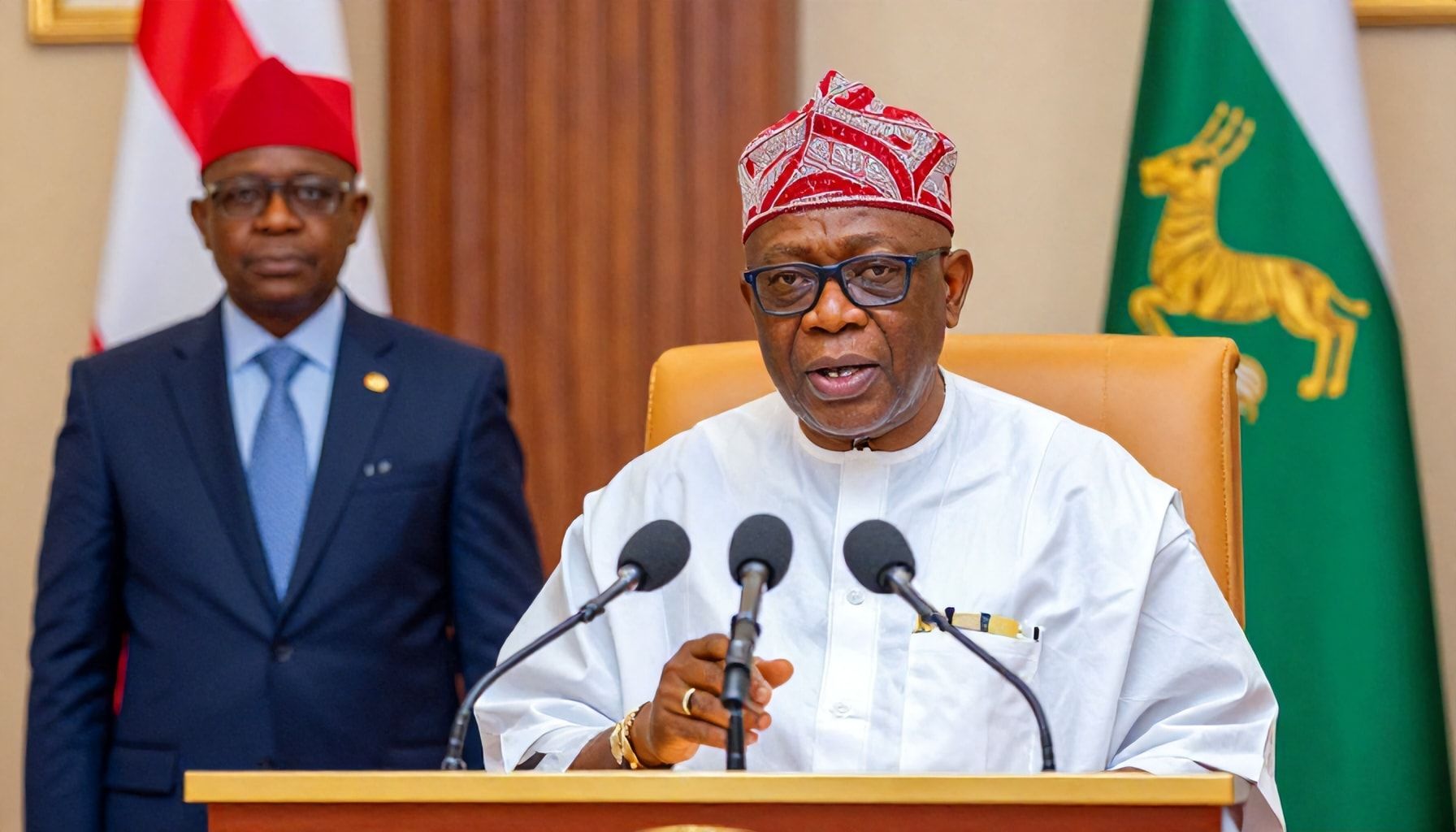
President Bola Ahmed Tinubu has unveiled sweeping economic reforms aimed at stabilizing Nigeria’s faltering economy amid rising inflation and currency devaluation. The measures include subsidy removal, fiscal adjustments, and monetary policy changes, announced during a national address on June 12.
Tinubu declared the immediate end of fuel subsidies, citing unsustainable fiscal costs. He stated the subsidy program had drained public funds, diverting resources from critical infrastructure and social programs. The move follows similar actions by previous administrations, though previous attempts faced public backlash.
The Central Bank of Nigeria (CBN) will unify exchange rates, eliminating multiple currency windows. Governor Godwin Emefiele confirmed the policy shift, stating it will attract foreign investment and stabilize the naira. The naira has depreciated over 50% against the dollar in recent months.
Tinubu also proposed tax reforms to broaden revenue collection. He directed the Federal Inland Revenue Service (FIRS) to streamline tax policies and reduce evasion. The government aims to increase non-oil revenue by 30% within a year, according to Finance Minister Wale Edun.
The reforms come as Nigeria grapples with economic crises, including record inflation at 28.9% and rising unemployment. The International Monetary Fund (IMF) welcomed the measures, calling them necessary for long-term stability. However, opposition parties and labor unions have criticized the policies, warning of potential social unrest.
Tinubu defended the changes as painful but essential for growth. He pledged social safety nets for vulnerable groups, though details remain unclear. The reforms mark his most aggressive economic overhaul since assuming office in May.
Analysts note the policies align with IMF recommendations but caution that implementation risks backlash. The next few months will determine their impact on Nigeria’s economy and public sentiment.
Key Details of Tinubu’s Policy Overhaul Revealed

President Bola Ahmed Tinubu has unveiled sweeping policy changes aimed at addressing Nigeria’s economic challenges. The reforms include a phased removal of fuel subsidies, a new foreign exchange policy, and measures to boost local production.
The government will eliminate fuel subsidies by June 2024, according to a statement from the Ministry of Finance. This follows a gradual reduction in recent months, with the subsidy bill dropping from ₦4 trillion in 2022 to ₦1.7 trillion in 2023.
A new foreign exchange policy will unify Nigeria’s multiple exchange rates, officials confirmed. The Central Bank of Nigeria (CBN) will consolidate the official and parallel market rates to reduce arbitrage and stabilize the naira.
Tinubu also announced plans to increase tax revenue by expanding the formal economy. The Federal Inland Revenue Service (FIRS) will target ₦15 trillion in tax collections by 2025, up from ₦10.1 trillion in 2023.
The president emphasized job creation through public works programs. The Renewed Hope Agenda includes plans to employ 5 million Nigerians in infrastructure projects over the next three years.
Critics argue the reforms may increase inflation, which currently stands at 29.9%. However, Tinubu’s administration insists the measures are necessary to curb fiscal deficits and attract investment.
The government will provide ₦500 billion in palliatives to cushion the impact on vulnerable groups. This includes cash transfers, food subsidies, and support for small businesses.
Tinubu’s economic team, led by Vice President Kashim Shettima, has defended the reforms. “These steps are painful but essential for long-term stability,” Shettima stated during a press briefing on Monday.
The president has also pledged to reform Nigeria’s power sector. The government will privatize state-owned power assets and invest in renewable energy to reduce reliance on fossil fuels.
Analysts note the reforms mirror policies from Tinubu’s time as Lagos governor. His administration then introduced similar fiscal measures to improve state finances.
The Nigerian Labour Congress (NLC) has warned of potential strikes if workers’ concerns are ignored. “We will resist policies that burden the poor,” NLC President Joe Ajaero said in a statement.
Tinubu’s team remains optimistic about the reforms’ success. The president’s spokesman, Ajuri Ngelale, stated the government is committed to transparency and accountability in implementation.
The policies come as Nigeria faces a $10 billion budget deficit. The International Monetary Fund (IMF) has praised the reforms but urged further fiscal discipline.
Details of the overhaul were shared during a presidential address on Thursday. Tinubu reiterated his commitment to reducing debt and improving public services.
The government will also introduce a new minimum wage framework. Negotiations with labor unions are expected to begin next month.
Tinubu’s administration has faced criticism over the timing of the reforms. Some economists argue the measures should have been phased in more gradually.
The president has dismissed calls for delays. “We cannot afford to wait,” Tinubu said during a meeting with business leaders on Friday.
The reforms align with Tinubu’s campaign promises to diversify the economy. The government will prioritize agriculture, manufacturing, and technology sectors.
Details of the policy overhaul were published in a 50-page document released by the presidency. The document outlines timelines and key performance indicators for each reform.
Tinubu’s team has assured Nigerians of regular updates on progress. The government will hold monthly briefings to address public concerns and provide transparency.
The reforms mark a significant shift in Nigeria’s economic strategy. If successful, they could position the country for sustainable growth in the coming years.
Background: How Nigeria’s Economic Struggles Shaped Tinubu’s Decisions

Nigeria’s economic struggles have significantly influenced President Bola Ahmed Tinubu’s policy decisions since taking office. The country faces high inflation, a weakening currency, and rising unemployment, which experts say have forced the government to prioritize fiscal reforms.
Tinubu’s administration has emphasized economic diversification and reducing reliance on oil revenues. Nigeria’s oil sector, once the backbone of the economy, has been volatile, contributing to budget deficits. The government has sought alternative revenue streams, including tax reforms and private sector investments.
The removal of fuel subsidies in June 2023 was a major policy shift aimed at cutting government spending. The move sparked protests but was defended by Tinubu as necessary to curb inefficiencies. The Nigerian National Petroleum Company Limited (NNPC) reported savings of over ₦1 trillion in the first six months after the subsidy’s removal.
Inflation has remained a persistent challenge, reaching 33.67% in April 2024, according to the National Bureau of Statistics (NBS). The Central Bank of Nigeria (CBN) has raised interest rates multiple times to combat rising prices. Tinubu’s government has also introduced measures to stabilize the naira, including foreign exchange reforms.
Debt sustainability has become a growing concern, with Nigeria’s public debt rising to ₦87.9 trillion by the end of 2023. The Debt Management Office (DMO) warned of potential risks if borrowing continues at the current pace. Tinubu has called for responsible fiscal policies to manage the debt burden.
Unemployment remains high, with the NBS reporting a rate of 33.3% in 2023. The government has launched initiatives like the Renewed Hope Agenda to create jobs through infrastructure projects and support for small businesses. Critics argue more needs to be done to address youth unemployment.
Tinubu’s economic policies have drawn mixed reactions. Supporters praise his efforts to reform the economy, while opponents argue the measures have increased hardship. The government maintains that short-term pain is necessary for long-term growth.
The World Bank and International Monetary Fund (IMF) have advised Nigeria to implement structural reforms. Tinubu has indicated willingness to engage with international partners but insists on maintaining economic sovereignty. The government’s ability to balance reforms with public expectations will shape Nigeria’s economic trajectory.
Expert Reactions to Tinubu’s Bold Policy Shifts

President Bola Ahmed Tinubu has announced sweeping economic policy changes, sparking mixed reactions from analysts and industry leaders. The reforms include fuel subsidy removal, currency devaluation, and tax adjustments, aimed at stabilizing Nigeria’s struggling economy.
Economists have praised Tinubu’s boldness but expressed concerns over implementation. Dr. Yemi Kale, former Statistician-General of the Federation, noted that while the policies address structural inefficiencies, their immediate impact on inflation and unemployment remains uncertain. “The government must provide clear timelines and support mechanisms for affected citizens,” he said in a statement.
Business leaders have reacted cautiously to the currency devaluation, which weakens the naira against the dollar. Aliko Dangote, Africa’s richest man, warned that while the move may attract foreign investment, local industries could face higher input costs. “We need complementary policies to protect domestic production,” he stated during a press briefing.
Labor unions have strongly opposed the fuel subsidy removal, citing rising living costs. Joe Ajaero, President of the Nigeria Labour Congress (NLC), called the decision “reckless” and threatened nationwide strikes. “The government must reverse this policy or provide adequate palliatives,” he said in a statement.
Financial analysts predict short-term economic volatility but potential long-term gains. The Nigerian Economic Summit Group (NESG) estimates the reforms could reduce the budget deficit by 20% if executed effectively. “Discipline in implementation will determine success,” said NESG Director Muda Yusuf.
The International Monetary Fund (IMF) has endorsed Tinubu’s reforms, describing them as necessary for economic recovery. An IMF spokesperson said the policies align with global best practices for emerging markets. The World Bank has also signaled support, pending further details on social safety nets.
Public opinion remains divided, with social media debates highlighting both optimism and skepticism. A recent poll by NOI Polls showed 45% of Nigerians support the reforms, while 55% express concern over their impact. The government has yet to respond to calls for a national dialogue on the policies.
Tinubu’s administration insists the changes are unavoidable to restore fiscal stability. Vice President Kashim Shettima reiterated the government’s commitment to transparency. “We will monitor progress and adjust where necessary,” he stated during a televised address. The next few months will be critical in assessing the reforms’ effectiveness.
What Comes Next After Tinubu’s Major Economic Announcements

President Bola Ahmed Tinubu announced sweeping economic policy shifts on Tuesday, aiming to address Nigeria’s worsening financial crisis. The measures include the removal of fuel subsidies and plans to restructure the nation’s tax system. Officials say the changes will reduce government spending and boost revenue.
The government confirmed the immediate end of the fuel subsidy, a move expected to save ₦3 trillion annually. However, the decision has sparked concerns over rising inflation and transport costs. The Nigerian National Petroleum Company Limited (NNPCL) stated that the subsidy was no longer sustainable.
Tinubu also proposed a new tax reform package to broaden the tax base and improve compliance. The plan includes higher taxes on luxury goods and digital services. Finance Minister Wale Edun said the reforms will generate additional revenue to fund infrastructure and social programs.
The Central Bank of Nigeria (CBN) announced plans to stabilize the naira by tightening monetary policy. Governor Olayemi Cardoso said the bank will focus on reducing inflation and attracting foreign investment. The naira has lost over 50% of its value against the dollar this year.
Analysts warn that the policy shifts may lead to short-term economic pain. The International Monetary Fund (IMF) praised the reforms but urged gradual implementation. Nigeria’s inflation rate stands at 33.69%, the highest in two decades.
Labor unions have threatened strikes over the subsidy removal and potential job losses. The Nigeria Labour Congress (NLC) called for negotiations to mitigate the impact. The government has yet to respond to the unions’ demands.
Economic experts say the reforms could stabilize Nigeria’s economy in the long term. However, they caution that political will and public support will be critical. Tinubu’s administration faces pressure to deliver results amid growing public frustration.
The next steps include parliamentary approval of the tax reforms and further CBN interventions. The government has not provided a timeline for these actions. Observers will watch for signs of economic recovery in the coming months.
President Bola Tinubu’s announcement of sweeping economic reforms has set the stage for significant changes in Nigeria’s fiscal and monetary policies. The government aims to stabilize the naira, reduce inflation, and boost foreign investment through measures like fuel subsidy removal and central bank reforms. Analysts will closely monitor the impact on consumer prices and business activity in the coming months. Meanwhile, opposition leaders have criticized the moves, signaling potential political challenges ahead. The success of these policies will hinge on implementation and public response, with further details expected in upcoming budget deliberations.