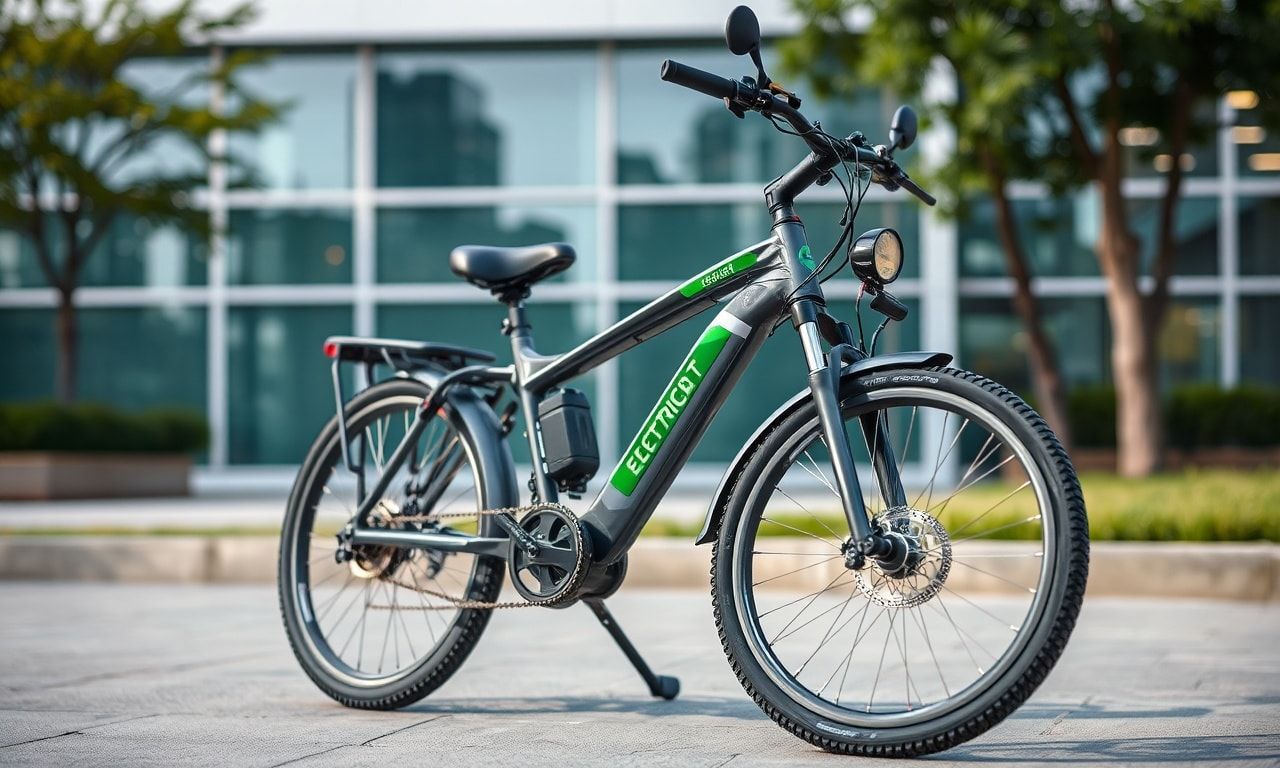
The Global Shift Towards Electric Bikes
The world is witnessing a significant shift in transportation preferences, with electric bikes (e-bikes) emerging as a popular choice for commuters and enthusiasts alike. This trend is driven by a combination of factors, including environmental concerns, technological advancements, and the need for sustainable urban mobility solutions. As cities grapple with traffic congestion and air pollution, e-bikes offer a viable alternative that is both eco-friendly and cost-effective.
The Environmental Impact of E-Bikes
One of the primary reasons for the surge in e-bike popularity is their positive environmental impact. Unlike traditional vehicles, e-bikes produce zero emissions, making them an ideal choice for those looking to reduce their carbon footprint. According to a study by the European Cyclists’ Federation, e-bikes can reduce CO2 emissions by up to 15% in urban areas. This significant reduction is a testament to the potential of e-bikes in combating climate change and promoting sustainable living.
In addition to their environmental benefits, e-bikes also contribute to healthier lifestyles. By encouraging people to cycle, e-bikes help improve physical fitness and mental well-being. The ease of pedaling, assisted by electric motors, makes cycling accessible to a broader demographic, including those who may have previously found traditional biking challenging.
The Technological Advancements in E-Bikes
The rapid evolution of technology has played a crucial role in the rise of e-bikes. Modern e-bikes are equipped with advanced features such as powerful motors, long-lasting batteries, and smart connectivity options. These innovations have made e-bikes more reliable, efficient, and user-friendly. For instance, some e-bikes now come with integrated GPS systems, allowing riders to navigate their routes with ease.
Moreover, the development of lightweight and durable materials has enhanced the overall performance of e-bikes. Manufacturers are increasingly using materials like carbon fiber and aluminum to create bikes that are both sturdy and lightweight. This has resulted in e-bikes that are easier to handle and maneuver, further boosting their appeal.
The Economic Benefits of E-Bikes
From an economic perspective, e-bikes offer several advantages. They are significantly cheaper to operate and maintain compared to traditional vehicles. The cost of charging an e-bike battery is minimal, and the maintenance requirements are relatively low. This makes e-bikes an affordable transportation option for many people, particularly in urban areas where the cost of living is high.
Furthermore, the growing popularity of e-bikes has created new economic opportunities. The e-bike industry is booming, with numerous startups and established companies investing in research and development. This has led to the creation of jobs and the stimulation of economic growth in various sectors, including manufacturing, retail, and services.
The Role of Government Policies
Government policies and initiatives have also played a pivotal role in promoting the use of e-bikes. Many cities around the world have introduced incentives such as tax rebates, subsidies, and dedicated cycling infrastructure to encourage the adoption of e-bikes. For example, the city of Amsterdam has implemented a comprehensive e-bike sharing program, making it easier for residents to access and use e-bikes for their daily commutes.
In addition to these incentives, governments are also investing in the development of cycling infrastructure. This includes the construction of bike lanes, parking facilities, and charging stations. These efforts aim to create a more bike-friendly environment, thereby encouraging more people to switch to e-bikes.
The Future of E-Bikes
The future of e-bikes looks promising, with continued advancements in technology and increasing awareness of their benefits. As more people recognize the advantages of e-bikes, their popularity is expected to grow exponentially. This trend is likely to be supported by ongoing research and development efforts aimed at improving the performance, affordability, and sustainability of e-bikes.
One area of particular interest is the development of more efficient and longer-lasting batteries. Researchers are exploring new battery technologies that can provide extended range and faster charging times. This will make e-bikes even more convenient and practical for daily use.
Another exciting development is the integration of artificial intelligence (AI) and the Internet of Things (IoT) into e-bikes. These technologies can enhance the riding experience by providing real-time data, predictive maintenance, and personalized recommendations. For instance, AI-powered e-bikes can analyze riding patterns and suggest optimal routes based on traffic conditions and personal preferences.
As the e-bike industry continues to evolve, it is essential to address potential challenges such as safety concerns and regulatory issues. Ensuring the safety of e-bike riders through proper education and infrastructure development will be crucial in fostering widespread adoption. Additionally, clear and consistent regulations will help create a level playing field for manufacturers and consumers alike.
Insurance Considerations for E-Bike Owners
For those considering purchasing an e-bike, it is important to understand the insurance options available. E-bike insurance can provide coverage for theft, damage, and liability, offering peace of mind to riders. It is advisable to explore different insurance providers and policies to find the best fit for your needs. For more information on e-bike insurance coverage, you can visit elektrikli bisiklet sigorta kapsamı.
In conclusion, the rise of electric bikes represents a significant shift in the way people think about transportation. With their environmental benefits, economic advantages, and technological advancements, e-bikes are poised to play a crucial role in shaping the future of sustainable mobility. As more people embrace this innovative mode of transportation, we can expect to see a positive impact on our cities, our health, and our planet.
As sustainable transport gains traction, our latest feature exploring the electric bicycle trend offers a comprehensive look at this growing movement.
Amidst the evolving landscape of urban mobility, electric bicycles gain traction as a viable solution, offering a blend of sustainability and efficiency.
In light of recent environmental initiatives, electric bicycles gain traction in Lisburn, offering a greener alternative for daily commuters.