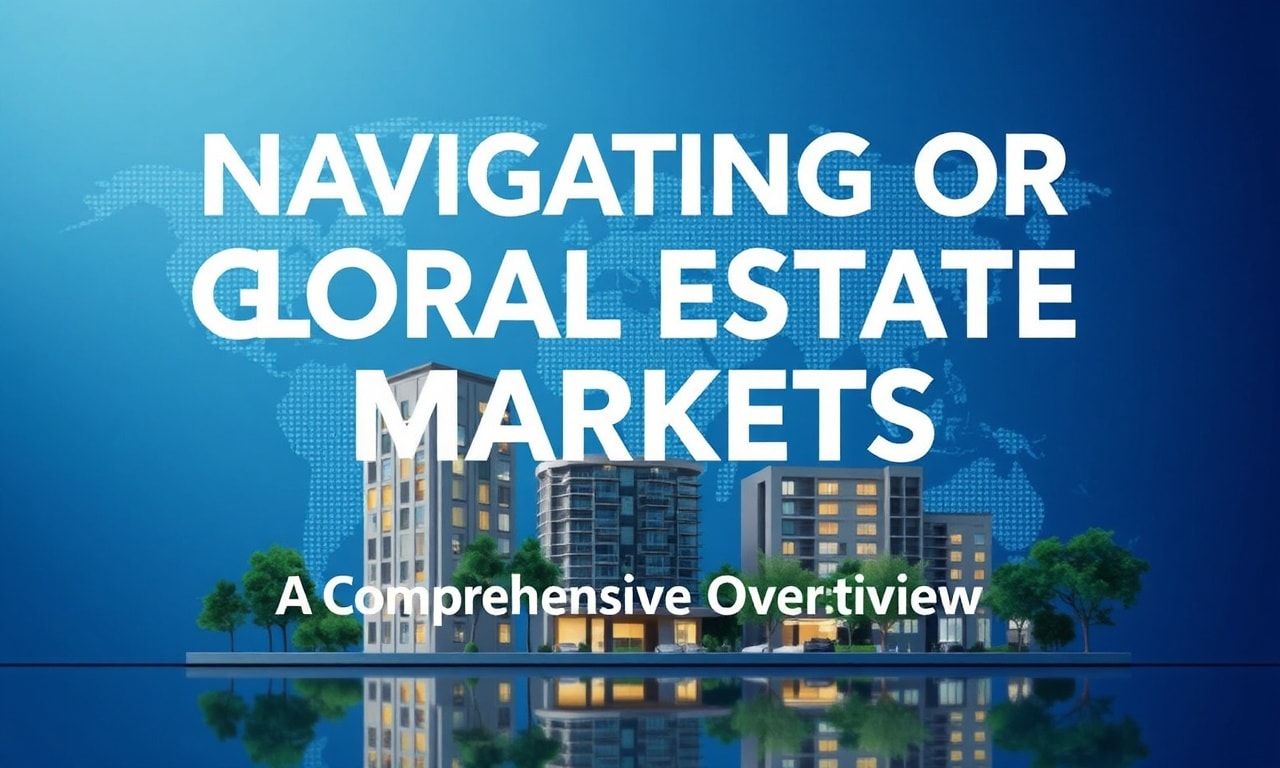
The Evolving Landscape of Real Estate
The global real estate market is undergoing significant transformations, driven by technological advancements, economic shifts, and changing consumer preferences. As we delve into the intricacies of this dynamic sector, it becomes evident that understanding these changes is crucial for investors, homebuyers, and industry professionals alike. This article aims to provide a comprehensive overview of the current trends and future prospects in the real estate market.
Technological Innovations Reshaping the Industry
Technology has become a cornerstone of the real estate industry, revolutionizing the way properties are bought, sold, and managed. Virtual reality (VR) and augmented reality (AR) technologies are now commonly used to offer immersive property tours, allowing potential buyers to explore homes from the comfort of their current residences. Additionally, blockchain technology is being leveraged to streamline transactions, enhance transparency, and reduce fraud. These innovations are not only improving efficiency but also expanding the reach of real estate markets to a global audience.
Artificial intelligence (AI) and big data analytics are also playing pivotal roles in the industry. AI-driven algorithms analyze vast amounts of data to predict market trends, assess property values, and identify investment opportunities. This data-driven approach enables investors to make more informed decisions, minimizing risks and maximizing returns. Furthermore, the integration of smart home technologies is transforming the way properties are marketed and managed, attracting tech-savvy buyers and enhancing the overall living experience.
Economic Factors Influencing Real Estate
The real estate market is deeply influenced by economic conditions, both locally and globally. Interest rates, inflation, and employment levels are among the key factors that impact property prices and demand. For instance, low-interest rates typically stimulate the housing market by making mortgages more affordable, thereby increasing demand for homes. Conversely, high-interest rates can dampen the market by making borrowing more expensive, leading to a decrease in demand.
In addition to interest rates, economic stability and growth prospects also play a significant role. Regions with strong economic fundamentals and favorable business environments tend to attract more investment, driving up property prices. Conversely, economic downturns can lead to a decline in property values and increased vacancies. Understanding these economic dynamics is essential for investors looking to navigate the complexities of the real estate market.
Sustainability and Green Building Practices
Sustainability has emerged as a critical consideration in the real estate sector. With increasing awareness of environmental issues, there is a growing demand for eco-friendly and energy-efficient properties. Green building practices, such as the use of renewable energy sources, energy-efficient appliances, and sustainable materials, are becoming standard in new construction projects. These practices not only reduce the environmental impact but also offer long-term cost savings for property owners.
The integration of green technologies and sustainable design principles is also enhancing the appeal of properties to environmentally conscious buyers. Certifications such as LEED (Leadership in Energy and Environmental Design) and BREEAM (Building Research Establishment Environmental Assessment Method) are increasingly sought after, as they signify a commitment to sustainability and environmental responsibility. As the demand for sustainable properties continues to grow, developers and investors are increasingly focusing on incorporating green building practices into their projects.
Global Real Estate Trends and Opportunities
The real estate market is characterized by diverse trends and opportunities across different regions. In emerging markets, rapid urbanization and economic growth are driving demand for residential and commercial properties. Countries like India, China, and Brazil are witnessing significant investments in real estate, fueled by a growing middle class and increasing urbanization. These markets offer attractive opportunities for investors seeking high-growth potential.
In contrast, mature markets such as the United States, Europe, and Japan are experiencing different dynamics. While these markets may offer lower growth rates, they provide stability and established infrastructure. Investors in these regions often focus on value-added strategies, such as renovating existing properties or repurposing underutilized spaces, to enhance their returns. Additionally, the rise of co-living and co-working spaces is transforming the residential and commercial real estate sectors, catering to the evolving needs of modern consumers.
For those looking to invest in real estate, it is crucial to understand the specific trends and opportunities in different markets. Whether you are considering ev satın almak için finansman stratejileri or exploring international markets, staying informed about local regulations, economic conditions, and consumer preferences is essential for making informed investment decisions.
Future Prospects and Challenges
The future of the real estate market holds both opportunities and challenges. Technological advancements, economic shifts, and changing consumer preferences will continue to shape the industry. Investors and industry professionals must stay abreast of these developments to capitalize on emerging opportunities and mitigate potential risks.
One of the key challenges facing the real estate sector is the need for sustainable and affordable housing solutions. As urbanization continues to rise, there is a growing demand for affordable housing in many cities around the world. Addressing this challenge requires innovative solutions, such as modular construction, micro-apartments, and mixed-use developments, to provide affordable and sustainable housing options for a growing urban population.
Another challenge is the impact of climate change on real estate. Rising sea levels, extreme weather events, and changing climate patterns are increasingly affecting property values and insurance costs. Developers and investors must consider these factors when planning new projects and assessing the long-term viability of their investments. Implementing resilient design principles and adopting climate-adaptive strategies will be crucial for mitigating the risks associated with climate change.
In conclusion, the real estate market is a dynamic and complex sector that is constantly evolving. By understanding the current trends, economic factors, and future prospects, investors and industry professionals can navigate the complexities of the market and make informed decisions. Whether you are a seasoned investor or a first-time homebuyer, staying informed and adaptable is key to success in the ever-changing world of real estate.
In an unexpected blend of industries, real estate meets gaming in innovative ways that are reshaping both sectors.
As the real estate market continues to shift, our latest feature, key trends shaping property, offers an in-depth analysis of the current landscape and what to expect moving forward.
As e-commerce continues to evolve, businesses are turning to social media platforms for growth; our guide on Instagram’s role in success offers key strategies to leverage.