The Nigerian naira hit a record low of 1,500 per U.S. dollar on Thursday, deepening the currency’s decline amid economic instability. The Central Bank of Nigeria (CBN) confirmed the drop, which follows months of depreciation driven by foreign exchange shortages and rising demand for dollars.
The devaluation marks the naira’s worst performance in history, surpassing its previous low of 1,400 per dollar in June. Analysts cite dwindling foreign reserves, inflation nearing 30%, and reduced investor confidence as key factors. The CBN has not yet announced measures to stabilize the currency, leaving businesses and consumers facing higher costs for imports and essential goods.
Naira Hits Record Low: 1 USD Now Trades at 1,500 Naira

The Nigerian naira hit a record low against the U.S. dollar, trading at 1,500 naira per dollar on the black market. This marks the weakest point for the currency since the Central Bank of Nigeria (CBN) began floating the naira in June 2023.
The naira’s decline comes amid persistent dollar shortages and rising demand for foreign exchange. Analysts attribute the drop to limited intervention by the CBN and increased pressure from importers and investors.
The official exchange rate at commercial banks remains significantly stronger, hovering around 1,200 naira per dollar. However, the parallel market rate has consistently outpaced the official rate, reflecting deeper economic challenges.
Economic experts warn that the naira’s depreciation could worsen inflation and import costs. “A weaker naira raises prices for essential goods, further straining household budgets,” said a senior economist at Lagos-based research firm.
The CBN has yet to comment on the latest slump. In previous statements, the bank emphasized its commitment to market-driven exchange rates while addressing liquidity constraints.
Business owners report difficulties securing foreign exchange for transactions. “We now pay nearly double what we did last year for raw materials,” said a Lagos-based manufacturer.
The naira’s decline follows years of economic instability, including fuel subsidies and rising debt levels. Economists urge structural reforms to stabilize the currency and restore investor confidence.
The black market rate remains the most accessible for many Nigerians, despite official efforts to discourage its use. Analysts predict further volatility unless significant foreign exchange inflows materialize.
The CBN’s next policy meeting could provide clarity on measures to support the naira. Until then, traders and consumers brace for continued uncertainty in the foreign exchange market.
Central Bank Struggles to Stabilize Naira Amid Dollar Scarcity

The Nigerian naira hit a new record low against the U.S. dollar, trading at 1,500 naira per dollar on the parallel market. This marks the currency’s sharpest decline amid persistent dollar scarcity and economic instability.
The Central Bank of Nigeria (CBN) has struggled to stabilize the naira despite interventions. Officials have attributed the decline to speculative trading and reduced foreign exchange inflows. The CBN’s governor, Godwin Emefiele, reiterated efforts to curb black-market activities but acknowledged challenges.
Dollar scarcity has worsened due to declining foreign reserves and reduced remittances. Nigeria’s foreign reserves fell to $37.2 billion in May, down from $39.2 billion earlier this year. Analysts warn that without sufficient dollar supply, the naira will continue depreciating.
Businesses and individuals face higher costs for imports and essential goods. The Association of Bureau De Change Operators of Nigeria (ABCON) reported a surge in demand for dollars, pushing rates beyond official market levels. Many Nigerians now rely on the parallel market for transactions.
Economic experts warn of further devaluation if the CBN does not address underlying issues. The International Monetary Fund (IMF) urged Nigeria to implement reforms to boost confidence in the naira. Without intervention, the currency could weaken further, deepening economic hardship.
The naira’s decline reflects broader economic challenges, including inflation and fiscal deficits. The National Bureau of Statistics reported inflation at 22.22% in April, the highest in years. Analysts link rising prices to the naira’s depreciation and supply chain disruptions.
The CBN has introduced measures like the Naira4Dollar scheme to incentivize remittances. However, these steps have had limited impact on stabilizing the currency. Officials emphasize the need for long-term solutions to restore market confidence.
For now, the naira remains under pressure, with no immediate signs of recovery. The parallel market rate continues to set the tone for economic transactions. Until dollar supply improves, the naira’s value is likely to remain volatile.
Economic Experts Warn of Further Naira Depreciation Risks

The Nigerian naira hit a new record low against the U.S. dollar, trading at 1,500 naira per dollar in the parallel market. This marks the weakest point for the currency since the Central Bank of Nigeria (CBN) unified exchange rate windows in June 2023.
Economic experts warn of further depreciation risks due to persistent dollar scarcity and rising demand. Analysts cite foreign exchange (FX) liquidity challenges as a key driver of the naira’s decline.
The CBN has maintained that its official exchange rate remains around 1,100 naira per dollar. However, the gap between official and parallel market rates has widened significantly, creating uncertainty for businesses and investors.
A senior economist at Lagos-based research firm Nairametrics attributed the slide to reduced dollar inflows from oil exports and foreign investors. “The naira’s weakness reflects broader economic pressures, including declining foreign reserves and high demand for dollars,” the economist stated.
The International Monetary Fund (IMF) recently advised Nigeria to address FX market distortions to stabilize the naira. In a report, the IMF noted that multiple exchange rates and capital controls have exacerbated volatility.
Industry leaders warn that the naira’s depreciation could fuel inflation, already at 33.69% as of April 2024. The Manufacturers Association of Nigeria (MAN) expressed concerns over rising import costs for raw materials.
The CBN has not yet announced new measures to intervene in the FX market. Some analysts suggest further devaluation may be inevitable without structural reforms to boost dollar supply.
The naira’s decline has prompted calls for policy adjustments to restore investor confidence. Without intervention, experts predict the currency could weaken further in the coming months.
Black Market Rates Surge as Naira Weakens Against the Dollar
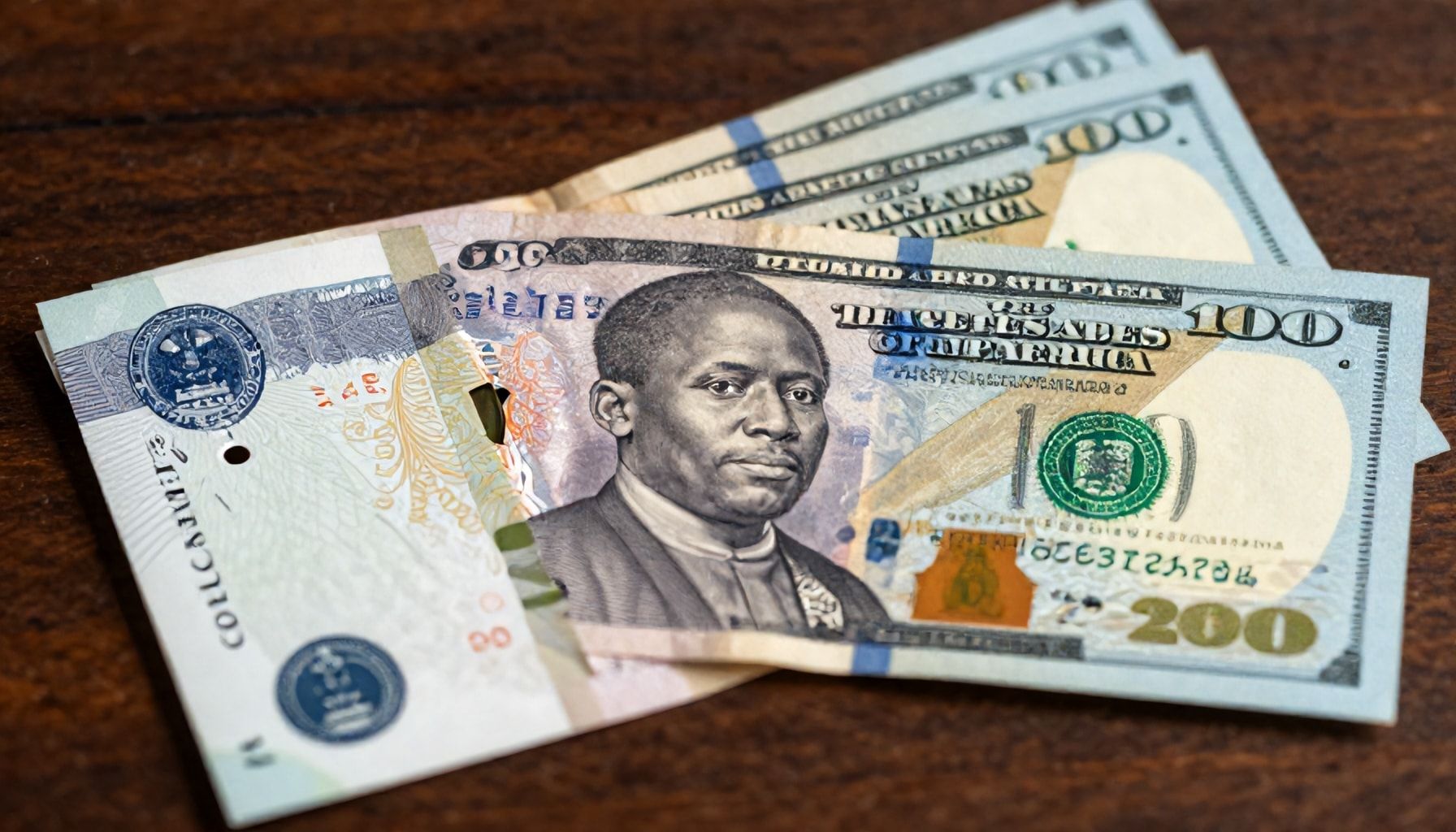
The Nigerian naira has weakened to a new record low against the U.S. dollar, trading at 1,500 naira per dollar on the black market. This marks a significant decline from the 1,300 naira per dollar rate recorded just two weeks ago, according to traders in Lagos.
The surge in black market rates reflects growing demand for foreign currency amid dwindling dollar supply. Analysts attribute the drop to limited forex liquidity from official sources, forcing businesses and individuals to rely on parallel markets.
The Central Bank of Nigeria (CBN) has not yet commented on the latest depreciation. However, economists warn that without intervention, the naira may continue to weaken further. “The gap between official and black market rates is widening, creating instability,” said financial expert Adeola Adeniyi.
In response to the crisis, some Nigerians are turning to cryptocurrencies as an alternative. Reports indicate a spike in peer-to-peer crypto transactions, as users seek to bypass forex restrictions. Meanwhile, the CBN maintains its stance against unregulated digital currencies.
The naira’s decline has sparked concerns among importers and manufacturers, who now face higher costs for raw materials. The Manufacturers Association of Nigeria (MAN) warns that the situation could lead to price increases for consumers.
Government officials have yet to announce measures to stabilize the currency. The last major intervention was in June, when the CBN adjusted the naira’s official rate to 1,300 per dollar. Analysts say more decisive action is needed to restore confidence in the economy.
The parallel market remains the only option for many Nigerians seeking dollars for travel, school fees, or imports. Traders report high demand but caution that rates could fluctuate further without policy changes.
Economic experts stress the need for increased forex supply to bridge the gap between official and black market rates. Until then, the naira’s value is expected to remain under pressure.
Government Urges Calm as Naira Slumps to New All-Time Low
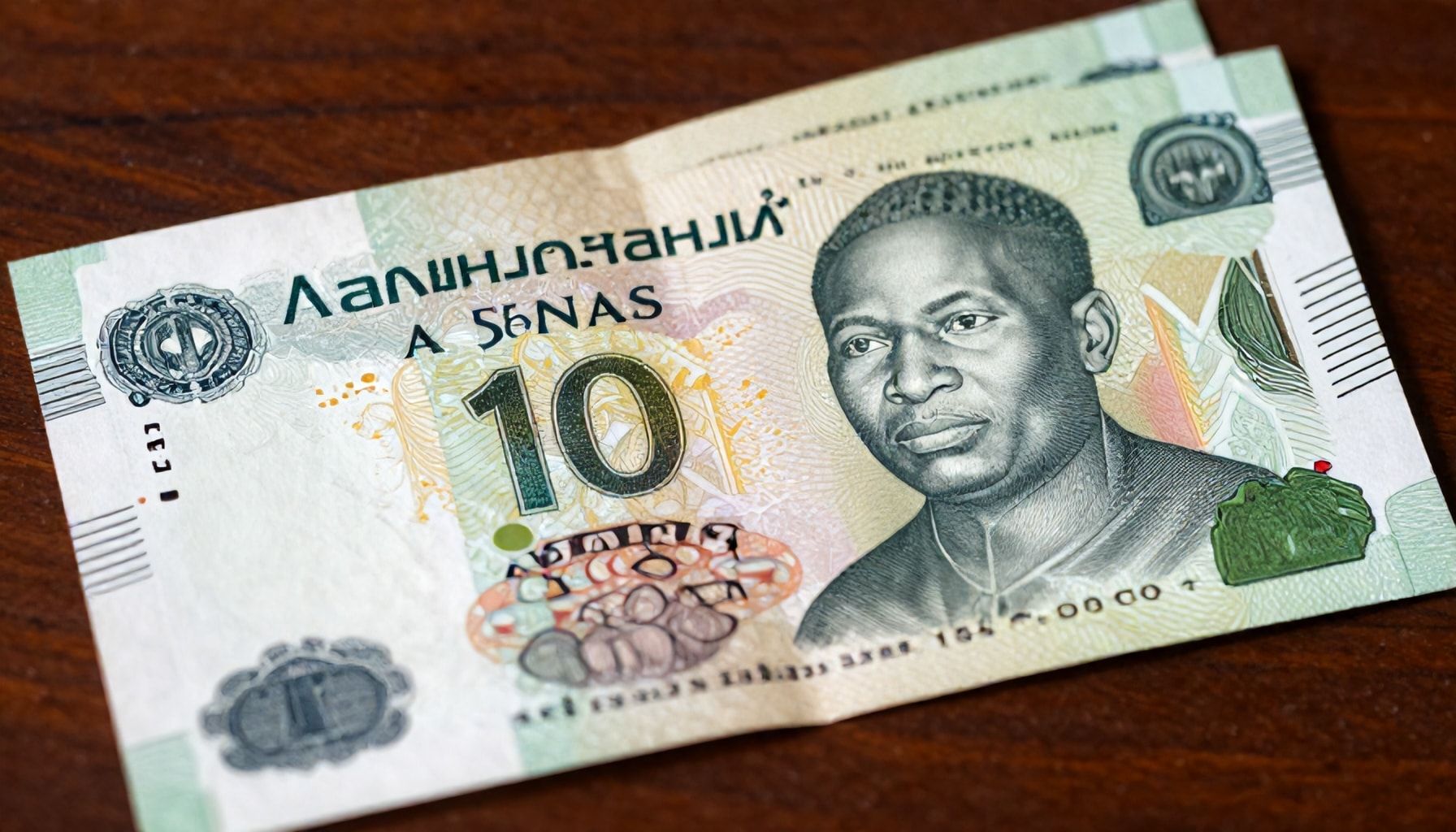
The Nigerian naira hit a new all-time low against the U.S. dollar on Tuesday, trading at 1,500 naira per dollar in the parallel market. This marks a further decline from last week’s rate of 1,450 naira per dollar, deepening concerns over the country’s economic stability.
The Central Bank of Nigeria (CBN) has yet to comment on the latest depreciation. However, analysts attribute the drop to sustained dollar scarcity and rising demand for foreign currency amid limited intervention from the central bank.
Government officials have urged Nigerians to remain calm, emphasizing ongoing efforts to stabilize the currency. “We are working on measures to address the situation,” said a senior official from the Ministry of Finance, speaking on condition of anonymity.
The naira’s decline has sparked fears of further inflation, as imported goods become more expensive. Economists warn that without immediate intervention, the currency could weaken further, exacerbating economic hardship.
The parallel market rate now stands significantly higher than the official exchange rate of 1,200 naira per dollar. This gap reflects persistent distrust in the official market and a reliance on black-market transactions.
Businesses and individuals continue to struggle with the volatility, with many resorting to alternative means of accessing foreign exchange. The situation has also raised concerns about the government’s ability to manage the crisis effectively.
Economic experts call for urgent policy reforms to restore confidence in the naira. Without decisive action, the currency’s downward spiral may continue, they warn.
The CBN has previously intervened with dollar sales to stabilize the naira, but such measures have had limited impact. Observers note that without addressing underlying economic challenges, short-term fixes will not suffice.
For now, Nigerians face the reality of a weaker currency, with no clear timeline for recovery. The government’s next steps will be closely watched as the economic situation unfolds.
The naira’s decline to a record low of 1,500 per dollar underscores Nigeria’s deepening economic challenges, including foreign exchange shortages and inflationary pressures. Analysts warn of potential further depreciation if structural reforms and investor confidence are not restored. The Central Bank of Nigeria has yet to announce new measures, but economists suggest monetary policy adjustments and fiscal discipline may be necessary to stabilize the currency. The situation highlights broader risks for businesses and consumers dependent on imports, with long-term implications for economic growth and stability.