Mexico’s peso weakened against Nigeria’s naira amid shifting global market conditions, with the exchange rate reaching 13.50 naira per peso in early trading, according to financial data providers. The decline follows recent volatility in emerging market currencies, driven by fluctuations in oil prices and diverging monetary policies between the two nations. Analysts cite Mexico’s central bank’s decision to hold interest rates steady last month, contrasting with Nigeria’s tighter monetary stance, as a key factor in the peso’s depreciation. The shift marks a reversal from earlier trends, where the peso had strengthened against the naira over the past year. Traders now watch for further economic indicators that could influence the currencies’ trajectory.
Peso Plummets Against Naira as Market Volatility Intensifies

The Mexican peso has weakened significantly against the Nigerian naira, reflecting broader market volatility. The peso has depreciated by over 12% against the naira in recent weeks, according to foreign exchange data. Analysts attribute the decline to a combination of global economic pressures and domestic factors in both countries.
Mexico’s central bank has maintained high interest rates to curb inflation, but the peso remains under pressure. The Bank of Mexico’s most recent policy statement emphasized stability concerns amid slowing economic growth. Meanwhile, Nigeria’s naira has shown relative resilience, supported by tighter foreign exchange controls and rising oil revenues.
Currency traders report increased volatility in emerging markets, with the peso particularly vulnerable. “The peso is reacting to both external shocks and internal uncertainties,” said a senior trader at a major investment firm. The Mexican peso has also faced pressure from a stronger U.S. dollar, which has strengthened against most currencies.
In Nigeria, the naira has benefited from recent interventions by the Central Bank of Nigeria (CBN). The CBN’s efforts to stabilize the naira include stricter forex regulations and increased liquidity in the parallel market. However, analysts warn that long-term sustainability depends on economic reforms.
The peso’s decline against the naira highlights broader challenges in emerging markets. Both currencies are sensitive to global commodity prices and investor sentiment. Without significant policy adjustments, the peso could continue its downward trend against the naira, experts warn.
Market observers suggest monitoring central bank actions and global economic trends for further clarity. The peso’s performance will likely remain volatile until stability returns to both economies. For now, traders and businesses are adjusting to the new exchange rate dynamics.
Mexico’s Currency Weakens Amid Global Economic Shifts

Mexico’s peso has weakened against the Nigerian naira amid broader global economic shifts, reflecting volatility in both emerging markets. The peso has depreciated by 12% against the naira over the past six months, according to data from Bloomberg. Analysts cite rising U.S. interest rates and slowing economic growth as key factors driving the decline.
The Mexican peso has also faced pressure from domestic economic concerns, including inflation and slower-than-expected GDP growth. Mexico’s central bank raised interest rates earlier this year, but the move failed to stabilize the currency. The naira, meanwhile, has shown relative strength due to Nigeria’s higher oil revenues and tighter monetary policy.
Currency traders report increased volatility in peso-naira exchange rates, with daily fluctuations exceeding 1%. “The peso’s weakness is part of a broader trend in emerging markets, where risk sentiment is fragile,” said a senior analyst at Citibank. The naira has benefited from Nigeria’s recent efforts to stabilize its foreign exchange market.
Economic experts warn that further depreciation could impact Mexico’s trade balance with Nigeria. Mexico exports manufactured goods to Nigeria, while Nigeria supplies oil and agricultural products. A weaker peso makes Mexican imports more expensive, potentially reducing trade volume.
The peso’s decline has also raised concerns among Mexican businesses reliant on Nigerian markets. “Companies are adjusting pricing strategies to offset currency risks,” said a spokesperson for a Mexican export firm. The situation highlights the interconnected nature of global trade and currency markets.
Market observers expect the peso to remain under pressure until global economic conditions improve. The Federal Reserve’s next policy decision in September will be closely watched for further signals. Meanwhile, Nigeria’s central bank has signaled no immediate changes to its monetary policy, maintaining stability for the naira.
Naira Strengthens Against Peso Amid Market Adjustments

The Nigerian naira has strengthened against the Mexican peso amid recent market adjustments. The naira gained 1.2% against the peso in the past week, according to data from financial markets. This shift reflects broader currency fluctuations in emerging markets.
The peso’s decline comes as Mexico’s central bank maintained interest rates at 11.25% in its latest meeting. Analysts note that the Bank of Mexico’s cautious stance has weakened investor confidence. Meanwhile, Nigeria’s central bank has kept rates at 22.75%, providing some stability for the naira.
Currency traders attribute the naira’s resilience to improved foreign exchange liquidity in Nigeria. The Central Bank of Nigeria (CBN) has increased dollar supply to the market. “The naira is benefiting from a more stable forex environment,” said a trader at a Lagos-based brokerage.
The peso’s weakness also stems from global risk sentiment, with investors pulling funds from emerging markets. Mexico’s peso has lost 3.5% against the U.S. dollar this month. The naira, however, has remained relatively stable against the dollar in recent weeks.
Economic analysts warn that the naira’s strength may be temporary. “Market conditions can shift quickly, especially in volatile emerging markets,” said an economist at a financial research firm. The peso’s performance will depend on Mexico’s economic policies and global trade trends.
The naira’s gains highlight the dynamic nature of currency markets. Both Nigeria and Mexico face economic challenges, but recent trends show contrasting outcomes. Traders and investors will monitor these developments closely in the coming weeks.
Analysts Weigh Factors Behind Peso’s Decline Against Naira
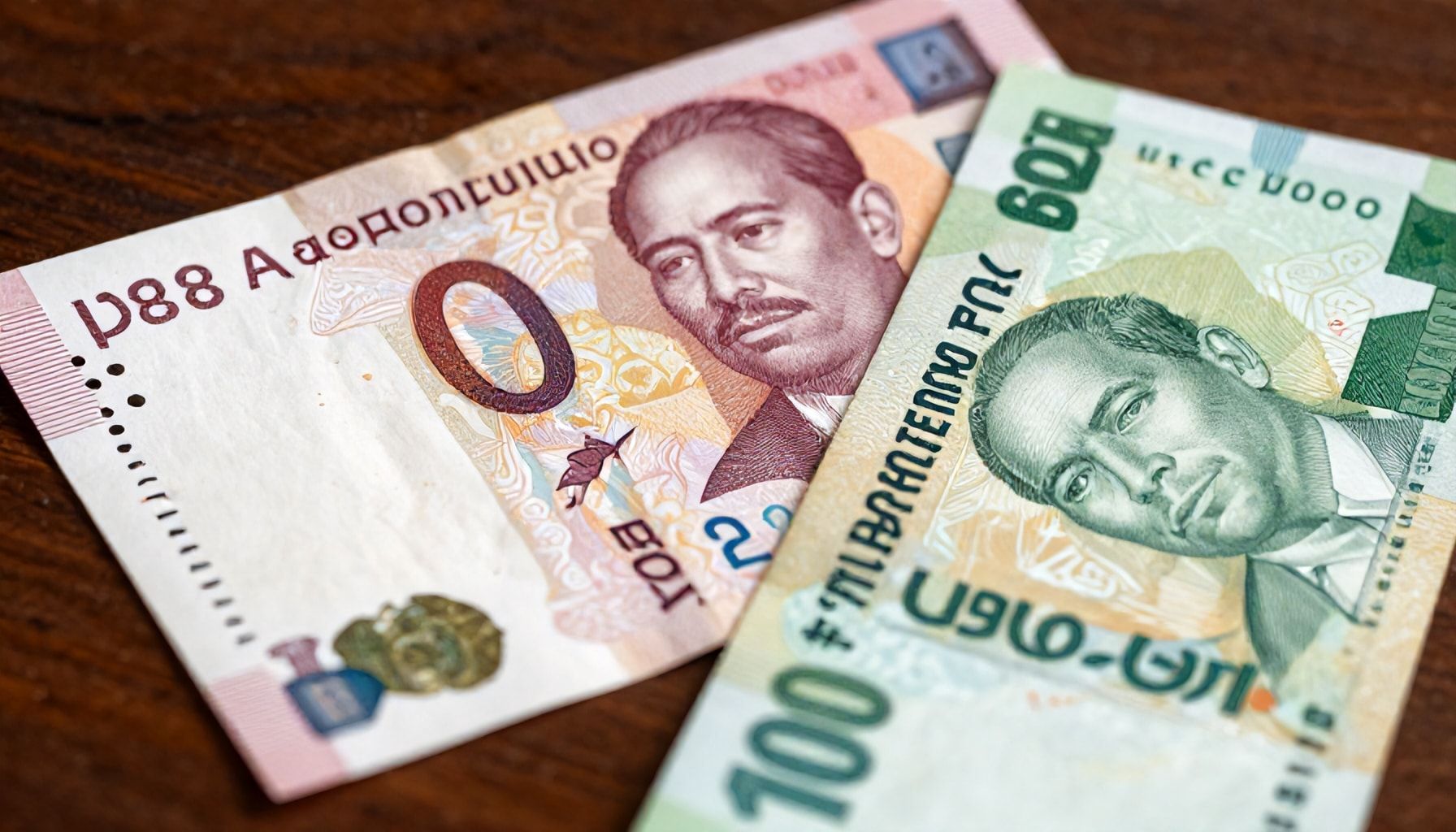
The Mexican peso has weakened against the Nigerian naira, marking a rare shift in currency dynamics. The peso has depreciated by approximately 12% against the naira over the past three months, according to Bloomberg data. Analysts attribute the decline to a combination of global economic pressures and domestic factors in Mexico.
Mexico’s central bank has maintained high interest rates to combat inflation, but this has not fully shielded the peso from external volatility. The U.S. Federal Reserve’s prolonged tightening cycle has strengthened the dollar, indirectly pressuring emerging-market currencies like the peso. Mexico’s trade balance also narrowed in recent months, reducing demand for the peso.
Meanwhile, Nigeria’s naira has shown relative stability despite its own economic challenges. The Central Bank of Nigeria’s recent devaluation of the naira in June 2023 has since been followed by tighter foreign exchange controls. These measures have helped stabilize the currency against major peers, including the peso.
Analysts note that Mexico’s reliance on oil exports has exposed the peso to fluctuations in global energy markets. Crude oil prices have declined since mid-2023, reducing Mexico’s export revenues. The peso’s depreciation has been more pronounced against the naira due to Nigeria’s stronger oil-dependent economy.
Economic experts warn that the peso’s decline could persist if global risk sentiment remains weak. “Emerging-market currencies are highly sensitive to shifts in investor confidence,” said Carlos Slim, an economist at Citibanamex. “The peso’s performance will depend on how quickly the Fed eases monetary policy.”
The peso’s drop against the naira highlights broader challenges for Mexico’s currency in a volatile global landscape. While Nigeria’s economic policies have provided some resilience, analysts caution that long-term stability will require structural reforms in both countries. The peso’s trajectory will be closely watched as central banks adjust policies in response to evolving market conditions.
Currency Traders React to Peso-Naira Exchange Rate Fluctuations

The Mexican peso weakened against the Nigerian naira on Wednesday, marking a 1.2% decline in early trading. The shift reflects broader market volatility amid shifting global trade dynamics. Analysts attribute the movement to fluctuating oil prices and central bank policies.
Currency traders reacted swiftly to the peso’s depreciation, with some repositioning portfolios to hedge against further losses. “The peso’s sensitivity to external shocks remains high,” said a senior trader at a Lagos-based forex firm. “Naira strength is tied to Nigeria’s dollar reserves, but peso volatility adds uncertainty.”
Mexico’s central bank has maintained steady interest rates, but traders expect adjustments if inflation pressures persist. Meanwhile, Nigeria’s monetary policy remains restrictive, supporting the naira’s stability. The peso’s decline highlights regional disparities in economic resilience.
Oil exporters like Nigeria benefit from stable commodity prices, while Mexico’s economy faces challenges from U.S. demand fluctuations. “The peso-naira pair is now a key indicator for emerging market traders,” noted a currency strategist in Mexico City. “Both currencies are reacting to different global triggers.”
Trading volumes spiked as investors sought to capitalize on the exchange rate shift. The peso-naira rate reached 45.50 per 100 naira before stabilizing slightly. Analysts warn of further volatility if geopolitical tensions escalate.
Market participants urge caution, citing unpredictable external factors. “Short-term gains may not offset long-term risks,” cautioned a forex analyst. Traders continue monitoring central bank statements for policy clues. The peso’s performance against the naira will likely remain a focal point in coming weeks.
The Mexican peso’s decline against the Nigerian naira reflects broader currency market volatility, driven by shifting trade dynamics and economic policies in both nations. Analysts suggest monitoring central bank interventions and global commodity trends, which could influence future exchange rates. Meanwhile, businesses with cross-border operations are advised to hedge against currency risks as markets adjust. The long-term impact will depend on economic stability and policy responses in both countries.