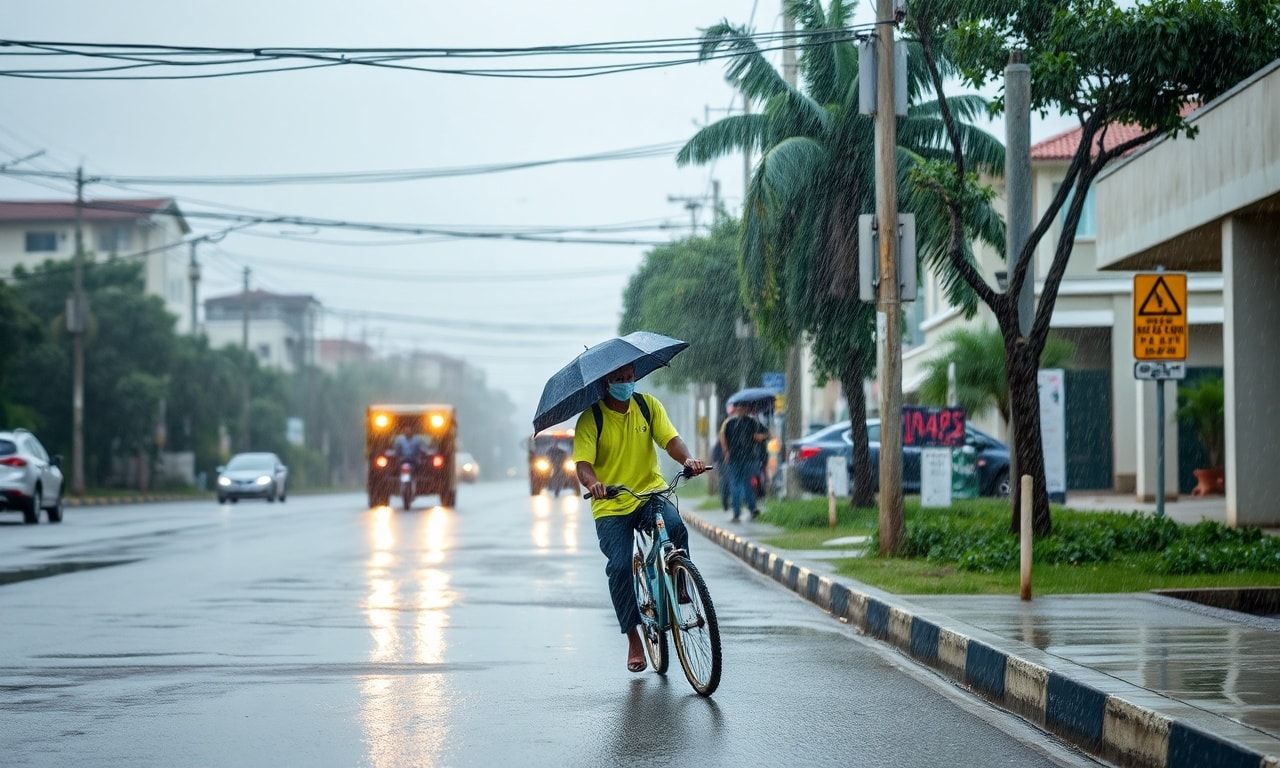
The Shift in Lagos’ Weather: A New Normal?
Lagos, Nigeria’s bustling commercial hub, has always been known for its tropical climate, characterized by relatively uniform temperatures and distinct wet and dry seasons. However, recent weather patterns have been anything but predictable. Residents and meteorologists alike are grappling with the unpredictability, which has significant implications for daily life, agriculture, and public health.
Understanding the Changes
The Nigerian Meteorological Agency (NiMet) has reported a noticeable shift in weather patterns over the past few years. Unseasonal rains, prolonged dry spells, and sudden temperature fluctuations have become more common. Experts attribute these changes to a combination of local and global factors, including climate change, urbanization, and natural climate variability.
For instance, Lagos experienced heavy rainfall in February 2023, a month typically associated with the dry season. This unexpected weather event led to flooding in several parts of the city, causing disruptions in transportation and daily activities. Similarly, the harmattan season, which usually brings dry, dusty winds from the Sahara, has been less pronounced in recent years, leaving residents unsure of what to expect.
Impact on Daily Life
The unpredictability of the weather has significant implications for the daily lives of Lagos residents. Farmers, for example, are finding it increasingly difficult to plan their planting and harvesting cycles. The agricultural sector, which employs a significant portion of the population, is particularly vulnerable to these changes.
Urban planning and infrastructure development are also affected. The Lagos State Government has been working on improving drainage systems to mitigate the effects of sudden heavy rainfall. However, the rapid pace of urbanization and the high population density pose significant challenges. Residents are advised to stay informed about weather conditions to better prepare for potential disruptions.
For those looking to stay ahead of the weather, utilizing a reliable weather forecast mobile app can be a game-changer. These apps provide real-time updates and accurate predictions, helping residents plan their day effectively.
Health Implications
The unpredictable weather patterns also have implications for public health. Sudden changes in temperature and humidity can exacerbate respiratory issues and increase the risk of vector-borne diseases. The Lagos State Ministry of Health has been working on awareness campaigns to educate the public on how to protect themselves during extreme weather events.
Residents are advised to take precautions such as staying hydrated during heatwaves, using mosquito repellents during periods of high humidity, and avoiding outdoor activities during heavy rainfall or thunderstorms. Schools and workplaces are also encouraged to have emergency plans in place to ensure the safety of students and employees.
Community Resilience and Adaptation
In response to these challenges, community resilience initiatives have been gaining traction in Lagos. Local organizations and non-governmental organizations (NGOs) are working with residents to develop strategies for adapting to the changing weather patterns. These initiatives include community-based disaster risk management, climate-smart agriculture, and public awareness campaigns.
For example, the Lagos Food Bank Initiative has been promoting climate-smart agricultural practices among farmers. These practices include water conservation techniques, drought-resistant crops, and sustainable land management. By adopting these practices, farmers can better adapt to the unpredictable weather conditions and ensure food security for their communities.
Additionally, community-based disaster risk management programs are being implemented to prepare residents for extreme weather events. These programs include early warning systems, evacuation plans, and emergency response training. By empowering communities to take proactive measures, Lagos can build resilience against the impacts of climate change.
Looking Ahead
As Lagos continues to grapple with unpredictable weather patterns, it is crucial for residents, government agencies, and community organizations to work together to build resilience and adapt to the changing climate. By staying informed, taking proactive measures, and supporting community initiatives, Lagos can navigate the challenges posed by climate change and ensure a sustainable future for its residents.
The Lagos State Government, in collaboration with NiMet and other stakeholders, is committed to addressing these challenges. Through continuous research, public awareness campaigns, and infrastructure development, Lagos can mitigate the impacts of unpredictable weather and build a more resilient city.
As esports continues to grow, understanding the factors that influence performance becomes crucial; delve into weather’s impact on gaming to uncover an unexpected variable.
As winter weather patterns continue to impact the region, Türkiye’s cold waves and snowstorms are making headlines with their intensity and frequency.
As Glasgow prepares for an unusual week of weather, details on expected conditions are emerging in our latest update.