The Onset of Heavy Rains and Their Implications
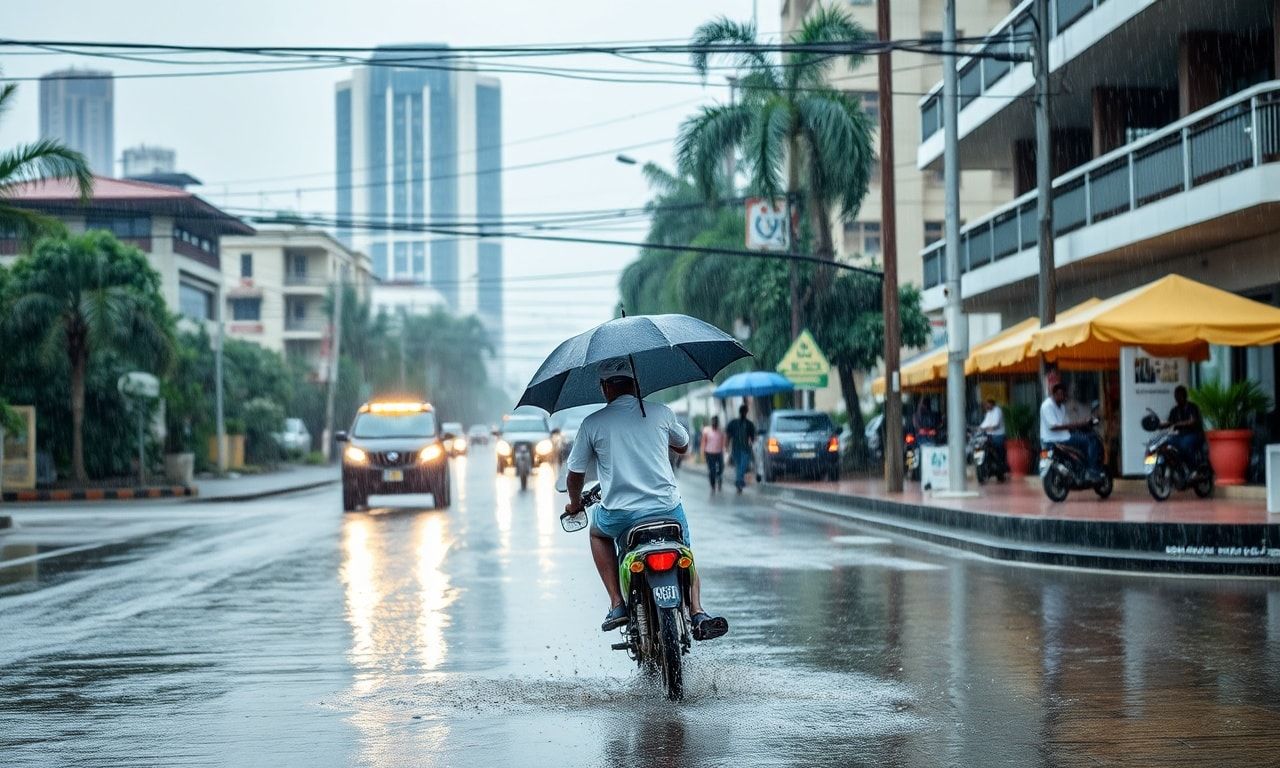
The city of Lagos has been experiencing a significant increase in rainfall over the past few weeks, a trend that meteorologists attribute to the peak of the rainy season. This surge in precipitation has brought about a myriad of effects across various sectors, prompting both government agencies and private entities to take proactive measures. The Lagos State Emergency Management Agency (LASEMA) has issued advisories to residents, urging them to stay vigilant and prepared for potential flooding and other weather-related incidents.
Transportation and Infrastructure Challenges
The persistent rains have caused considerable disruptions in the city’s transportation network. Major roads such as the Lekki-Epe Expressway and the Third Mainland Bridge have experienced partial closures due to flooding, leading to traffic congestion and delays. The Lagos Metropolitan Area Transport Authority (LAMATA) has advised commuters to plan their journeys accordingly and consider alternative routes. Additionally, the Nigerian National Petroleum Corporation (NNPC) has reported an increase in the demand for fuel, as motorists seek to mitigate the impact of traffic delays.
The Lagos State Government has accelerated its ongoing infrastructure projects to improve drainage systems and reduce the risk of flooding. The state’s Ministry of Works and Infrastructure has deployed additional resources to clear blocked drainage channels and repair damaged roads. However, experts caution that the long-term solution lies in sustainable urban planning and the implementation of climate-resilient infrastructure.
Weather Impact on Local Sports
The sports community in Lagos has also felt the effects of the heavy rains. Several matches and training sessions have been postponed or canceled due to waterlogged pitches and unsafe playing conditions. The Nigeria Football Federation (NFF) has advised clubs to prioritize the safety of players and officials. For more insights on how weather conditions affect local sports, visit weather impact on local sports.
Health and Environmental Concerns
The increase in rainfall has raised concerns about public health and environmental safety. Stagnant water bodies created by flooding can become breeding grounds for mosquitoes, increasing the risk of malaria and other vector-borne diseases. The Lagos State Ministry of Health has intensified its vector control measures, including fumigation and public awareness campaigns. Residents are advised to take precautions such as using insect repellents and ensuring proper waste disposal to minimize health risks.
Environmentalists have also expressed worries about the impact of heavy rains on the city’s ecosystems. The Lagos Wetlands, a critical habitat for various species, are particularly vulnerable to flooding. Conservation groups are calling for enhanced protection measures to preserve biodiversity and maintain ecological balance.
Economic Ramifications
The economic impact of the heavy rains is multifaceted. The agricultural sector, which relies heavily on favorable weather conditions, has faced challenges in crop cultivation and livestock management. Farmers in rural areas around Lagos have reported losses due to waterlogging and soil erosion. The Lagos Chamber of Commerce and Industry (LCCI) has urged the government to provide support to affected farmers and implement policies to mitigate future risks.
The retail and hospitality sectors have also been affected, with businesses reporting a decline in foot traffic and sales. The Lagos State Government has announced plans to provide relief packages to small and medium-sized enterprises (SMEs) to help them recover from the economic downturn caused by the rains.
Community Resilience and Preparedness
In response to the challenges posed by the heavy rains, communities across Lagos have demonstrated remarkable resilience and preparedness. Local residents have organized volunteer groups to assist in flood relief efforts and distribute essential supplies to affected areas. Non-governmental organizations (NGOs) and international aid agencies have also stepped in to provide support and resources.
The Lagos State Government has emphasized the importance of community engagement in disaster management. Through public awareness campaigns and training programs, residents are being educated on how to prepare for and respond to weather-related emergencies. The government has also established a hotline for residents to report flooding and other weather-related incidents.
As the rainy season continues, the city of Lagos faces a critical juncture in its efforts to mitigate the impact of heavy rains. Through collaborative action and proactive measures, the government, private sector, and local communities can work together to build a more resilient and sustainable future for Lagos.