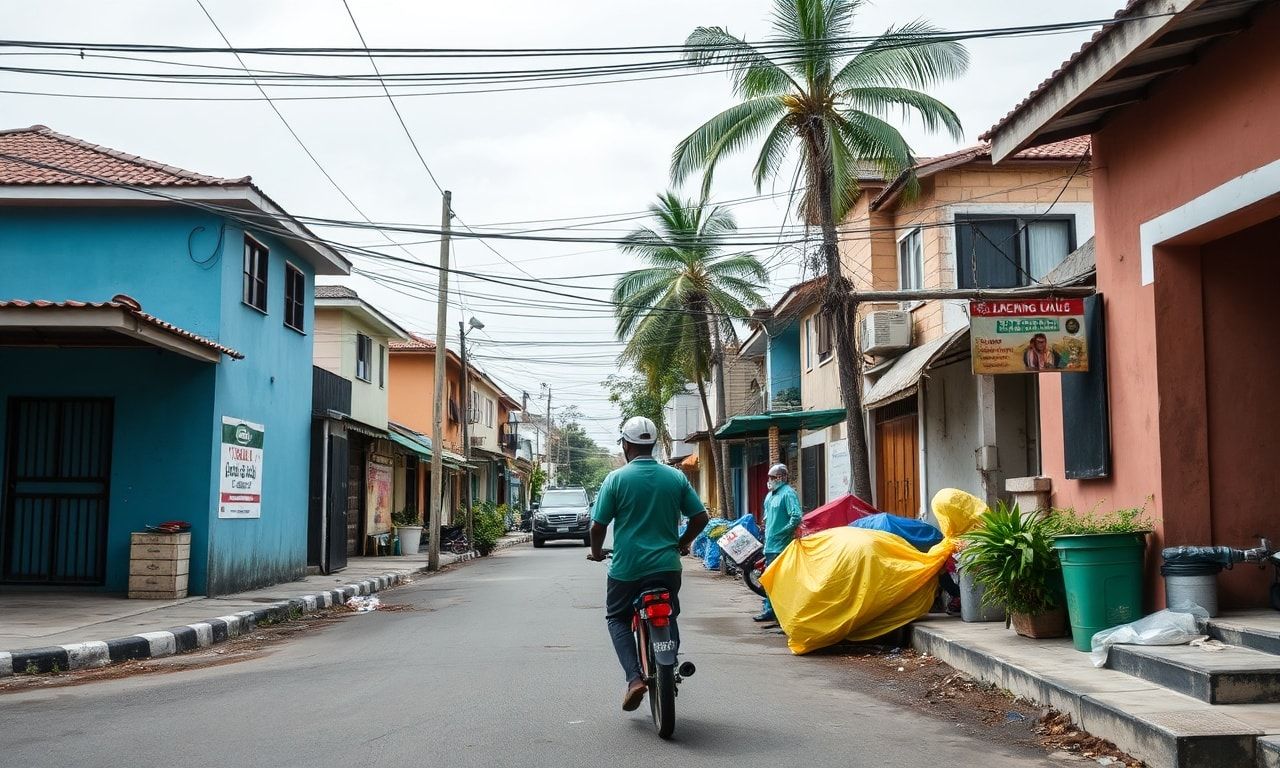
The Ripple Effect of Global Events
In an increasingly interconnected world, global events have a profound impact on local communities. From economic shifts to cultural exchanges, the effects of international occurrences are felt far and wide. Lagos, as a bustling metropolis and a significant economic hub in Africa, is no exception. This article explores how global events shape the daily lives of Lagos residents and the strategies being employed to mitigate negative impacts while capitalizing on positive ones.
Economic Implications
The global economy is a complex web of interdependencies, and any significant event can send shockwaves through it. For instance, the COVID-19 pandemic has had a lasting impact on global trade and commerce. In Lagos, the economic downturn led to job losses, business closures, and a strain on public resources. However, it also spurred innovation and adaptability among local entrepreneurs. Many businesses pivoted to online platforms, and new industries emerged to meet the changing demands of consumers.
Another example is the fluctuation in oil prices, which directly affects Nigeria’s economy due to its reliance on oil exports. A drop in oil prices can lead to reduced government revenue, impacting public services and infrastructure development. Conversely, a rise in prices can boost the economy, leading to increased investment and job creation. Understanding these economic implications is crucial for policymakers and residents alike to navigate the challenges and opportunities presented by global events.
Cultural Exchange and Social Dynamics
Global events also influence cultural exchange and social dynamics in Lagos. The city is a melting pot of diverse cultures, and international events often bring new ideas, traditions, and practices to the forefront. For example, the 2020 Black Lives Matter protests in the United States resonated deeply with Lagos residents, sparking conversations about racial equality and social justice in Nigeria. These global movements can inspire local activism and foster a sense of solidarity among communities.
Additionally, international sports events, such as the Olympics or the FIFA World Cup, bring people together and create a sense of global unity. Lagos residents often gather to watch these events, creating a shared experience that transcends cultural and social boundaries. These moments of collective joy and excitement can strengthen community bonds and promote cultural understanding.
Health and Well-being
The health implications of global events cannot be overlooked. The COVID-19 pandemic highlighted the importance of global health cooperation and the need for robust healthcare systems. In Lagos, the pandemic exposed the vulnerabilities of the healthcare infrastructure, leading to a renewed focus on improving public health services. The city has since seen an increase in investments in healthcare facilities and the training of medical professionals to better prepare for future health crises.
Moreover, global health initiatives, such as vaccination campaigns and disease surveillance programs, have a direct impact on the well-being of Lagos residents. These initiatives help prevent the spread of infectious diseases and ensure that the city’s population remains healthy and productive. The collaboration between international organizations and local authorities is crucial in addressing health challenges and promoting a healthier community.
Environmental Considerations
Global events also have environmental implications that affect Lagos. Climate change, for instance, is a global issue that requires collective action. Rising sea levels and extreme weather events pose significant threats to coastal cities like Lagos. The city has experienced increased flooding and erosion, which can disrupt daily life and damage infrastructure.
To mitigate these environmental challenges, Lagos has implemented various initiatives aimed at sustainability and resilience. These include the development of green spaces, the promotion of renewable energy sources, and the implementation of waste management programs. By adopting these measures, Lagos can reduce its environmental footprint and better adapt to the impacts of climate change.
Creating a Resilient Community
In the face of global events, creating a resilient community is essential. Resilience involves not only preparing for potential challenges but also fostering a sense of unity and adaptability among residents. One way to achieve this is by come creare un ambiente accogliente that promotes social cohesion and well-being. This can be done through community centers, cultural events, and educational programs that bring people together and encourage collaboration.
Additionally, investing in education and skills development is crucial for building a resilient community. By equipping residents with the necessary skills and knowledge, they can better navigate the challenges posed by global events and seize the opportunities that arise. This includes promoting entrepreneurship, innovation, and critical thinking, which are essential for adapting to a rapidly changing world.
In conclusion, global events have a significant impact on local communities, and Lagos is no exception. By understanding the economic, cultural, health, and environmental implications of these events, residents and policymakers can work together to create a more resilient and prosperous city. Through collaboration, innovation, and a commitment to sustainability, Lagos can navigate the challenges of the global landscape and emerge stronger and more united.