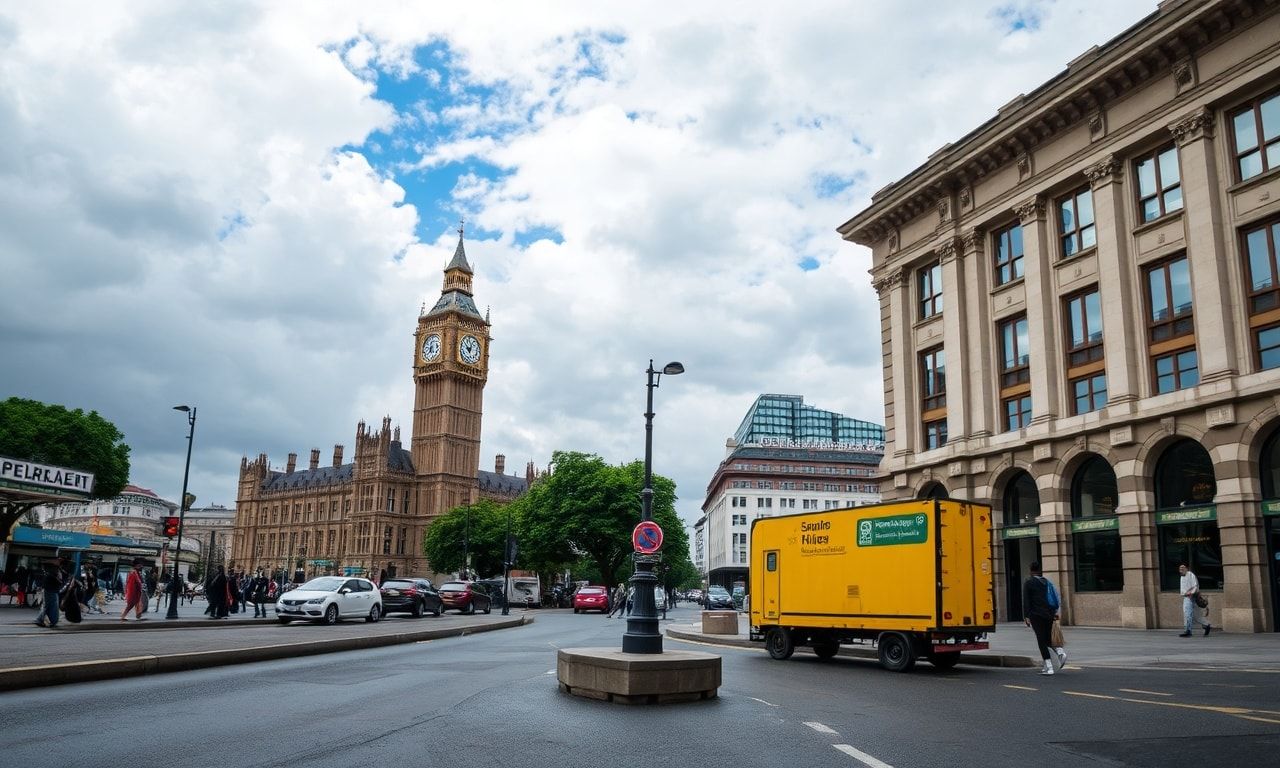
The Impact of Climate Change on Urban Landscapes
Climate change is an undeniable global phenomenon that is reshaping our cities and communities. Lagos, Nigeria, and London, UK, are two cities that, despite their geographical and cultural differences, are grappling with the consequences of a changing climate. From rising sea levels to extreme weather events, both cities are implementing strategies to mitigate the impacts and adapt to new realities.
Rising Sea Levels and Coastal Erosion
One of the most pressing challenges for both Lagos and London is the threat of rising sea levels. Lagos, a coastal city, is particularly vulnerable to coastal erosion and flooding. The city’s low-lying areas are at risk of being submerged, displacing thousands of residents and disrupting economic activities. Similarly, London, with its extensive coastline along the River Thames, faces the risk of flooding and storm surges. The Thames Barrier, a massive flood defense system, has been crucial in protecting the city, but it is not a permanent solution.
Extreme Weather Events
Extreme weather events are becoming more frequent and intense due to climate change. Lagos has experienced severe flooding in recent years, which has led to loss of life, property damage, and disruption of essential services. London, on the other hand, has faced heatwaves and heavy rainfall, which have put a strain on infrastructure and public health. Both cities are investing in early warning systems and disaster response mechanisms to better prepare for and respond to these events.
Green Spaces and Urban Planning
Green spaces play a vital role in mitigating the impacts of climate change. In Lagos, there is a growing emphasis on creating and maintaining parks and recreational areas to improve air quality, reduce urban heat, and provide spaces for recreation. For instance, the London parks recreation activities have been a model for urban planners in Lagos, showcasing how green spaces can enhance the quality of life for residents. London, too, has been investing in its green spaces, with initiatives like the Green Infrastructure and Tree and Woodland Strategies aimed at increasing canopy cover and promoting biodiversity.
Transportation and Emissions
Transportation is a significant contributor to greenhouse gas emissions in both Lagos and London. Lagos, with its rapidly growing population and increasing number of vehicles, faces challenges in managing traffic congestion and air pollution. The city is exploring solutions such as the introduction of electric buses and the development of a mass transit system. London, meanwhile, has been at the forefront of promoting sustainable transportation. The city’s congestion charge, low-emission zones, and extensive cycling infrastructure have been effective in reducing emissions and promoting greener modes of transport.
Community Engagement and Education
Community engagement and education are essential components of climate change mitigation and adaptation strategies. In Lagos, non-governmental organizations and community groups are playing a crucial role in raising awareness and promoting sustainable practices. Educational institutions are also incorporating climate change into their curricula to prepare the next generation to address these challenges. London, with its rich academic and research institutions, is a hub for climate change studies and innovation. The city’s schools, universities, and community organizations are actively involved in promoting climate literacy and sustainable living.
Collaboration and Innovation
Collaboration and innovation are key to addressing the complex challenges posed by climate change. Lagos and London are both part of international networks and initiatives aimed at sharing knowledge, resources, and best practices. The C40 Cities Climate Leadership Group, for example, brings together cities from around the world to collaborate on climate action. Through such platforms, Lagos and London can learn from each other’s experiences and work together to find sustainable solutions.
In conclusion, Lagos and London, despite their differences, share common challenges and opportunities in the face of climate change. By learning from each other and leveraging their unique strengths, both cities can make significant strides in mitigating the impacts of climate change and building resilient communities.