The Kuwaiti dinar (KWD) has retained its position as the world’s strongest currency in 2024, according to global financial rankings, maintaining its value at approximately 3.29 dinars per U.S. dollar. This ranking reflects the currency’s long-standing strength, driven by Kuwait’s vast oil reserves, stable economy, and a fixed exchange rate pegged to a basket of currencies. The dinar has consistently outpaced other high-value currencies, including the Bahraini dinar and the Omani rial, due to its economic resilience and government policies. Analysts attribute its dominance to Kuwait’s fiscal discipline and reliance on petroleum exports, which account for over 90% of government revenue. The ranking, compiled by financial data firms, underscores the dinar’s enduring status as the most valuable currency globally.
Kuwaiti Dinar Tops Global Currency Rankings in 2024

The Kuwaiti dinar has retained its position as the world’s strongest currency in 2024, according to the latest rankings by the International Monetary Fund (IMF). The dinar’s value has remained stable at approximately 3.29 dinars per U.S. dollar, reinforcing its status as the most valuable currency globally.
Kuwait’s economic stability and strong oil reserves contribute to the dinar’s resilience. The country’s central bank maintains a fixed exchange rate system, which helps preserve the dinar’s purchasing power. Analysts attribute this stability to Kuwait’s prudent fiscal policies and substantial foreign reserves.
The dinar’s strength is further supported by Kuwait’s low inflation rate, which stood at 1.9% in 2023. This contrasts with many other economies facing higher inflationary pressures. The IMF noted that Kuwait’s economic policies have effectively shielded the dinar from global market volatility.
Other high-value currencies, such as the Bahraini dinar and the Omani rial, also remain strong but trail behind the Kuwaiti dinar. The Bahraini dinar is pegged to the U.S. dollar at a rate of 0.376 dinars per dollar, while the Omani rial is valued at 0.385 rials per dollar.
Experts emphasize that the dinar’s dominance is not solely due to its exchange rate but also its economic backing. Kuwait’s GDP per capita, estimated at $36,000 in 2024, underscores the country’s robust financial position. The IMF’s latest report highlights Kuwait’s consistent economic performance as a key factor in the dinar’s strength.
The Kuwaiti dinar’s top ranking reflects broader trends in Gulf economies, where currency stability is prioritized. Central banks in the region continue to implement policies that protect their currencies from external shocks. This approach has positioned the dinar as a benchmark for economic resilience in 2024.
Key Factors Behind the Dinar’s Dominance in 2024

The Kuwaiti dinar has retained its position as the world’s strongest currency in 2024, driven by robust economic policies and strategic oil reserves. According to the International Monetary Fund (IMF), the dinar’s value has remained stable due to Kuwait’s strict monetary controls and peg to a basket of currencies. The Central Bank of Kuwait has maintained this peg since 2003, ensuring minimal volatility.
Kuwait’s vast oil reserves, estimated at 104 billion barrels by OPEC, provide a strong economic foundation. The country’s reliance on oil exports, which account for over 90% of government revenue, has shielded the dinar from global financial fluctuations. Analysts at Bloomberg note that Kuwait’s fiscal discipline has further bolstered investor confidence.
The dinar’s strength is also attributed to Kuwait’s conservative fiscal policies. The government has maintained budget surpluses, with a 2024 surplus projected at 5% of GDP by the Kuwaiti Ministry of Finance. This fiscal prudence has reduced dependency on foreign borrowing, stabilizing the currency.
Kuwait’s low inflation rate, averaging 1.2% in 2024, has contributed to the dinar’s dominance. The IMF highlights that controlled inflation has preserved purchasing power and investor trust. Additionally, the country’s foreign reserves, exceeding $60 billion, provide a safety net against economic shocks.
The dinar’s peg to major currencies, including the U.S. dollar, has also played a key role. The Central Bank of Kuwait adjusts the peg periodically to reflect market conditions, ensuring competitiveness. Experts at the World Bank state that this flexibility has prevented extreme currency devaluations.
Kuwait’s strategic investments in infrastructure and technology have further supported the dinar’s strength. The government’s Vision 2035 plan aims to diversify the economy, reducing reliance on oil. This long-term strategy has attracted foreign investment, reinforcing the currency’s stability.
The dinar’s dominance in 2024 reflects Kuwait’s economic resilience and prudent financial management. While global uncertainties persist, the country’s policies continue to safeguard the dinar’s position as the world’s highest-valued currency.
Historical Context: Why the Kuwaiti Dinar Holds Its Value

The Kuwaiti dinar remains the world’s highest-valued currency in 2024, maintaining its position due to strong economic fundamentals and strategic policies. Kuwait’s wealth stems from its vast oil reserves, which account for nearly 10% of global crude production. The country’s sovereign wealth fund, the Kuwait Investment Authority, holds over $800 billion in assets, reinforcing fiscal stability.
Kuwait’s currency is pegged to a basket of currencies, primarily the U.S. dollar, ensuring controlled inflation and exchange rate stability. The Central Bank of Kuwait has maintained this peg since 2007, shielding the dinar from volatility. Economists attribute the dinar’s strength to this disciplined monetary policy.
The dinar’s value is also supported by Kuwait’s low national debt, which stands at approximately 15% of GDP. This fiscal prudence contrasts with many oil-dependent nations facing higher debt burdens. Analysts note that Kuwait’s conservative spending and high oil revenues contribute to its economic resilience.
Historically, Kuwait’s currency has benefited from the country’s role as a key OPEC member and its strategic location in the Gulf. The dinar’s value has appreciated against major currencies over decades, with one dinar currently exchanging for about 3.29 U.S. dollars. Experts highlight Kuwait’s consistent surplus in trade balances as a key factor.
The International Monetary Fund (IMF) has praised Kuwait’s economic management in recent reports. In a 2023 statement, the IMF noted Kuwait’s “strong external position” and “sound fiscal policies.” These policies have helped the dinar retain its status as the world’s most valuable currency.
Kuwait’s economic diversification efforts, though gradual, also support the dinar’s stability. The government has invested in sectors like finance and real estate to reduce reliance on oil. However, oil remains the primary driver of the dinar’s strength, with exports accounting for over 90% of government revenue.
The dinar’s high value reflects Kuwait’s ability to balance wealth distribution with economic discipline. The country’s per capita GDP exceeds $30,000, placing it among the world’s wealthiest nations. This wealth underpins the dinar’s purchasing power and global standing.
Economic Stability Fuels the Dinar’s Global Currency Lead
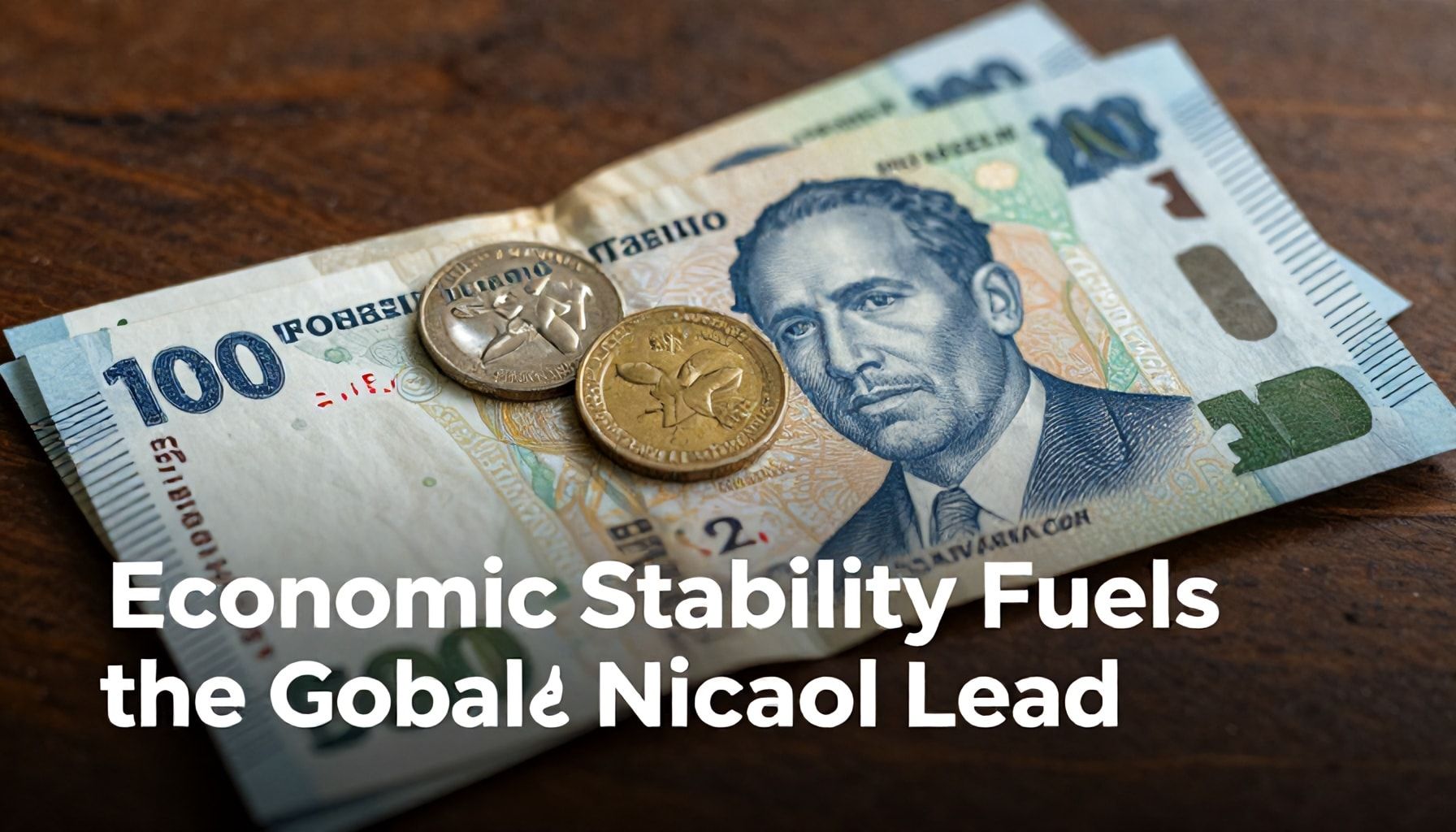
The Kuwaiti dinar has retained its position as the world’s strongest currency in 2024, according to the latest rankings by the International Monetary Fund (IMF). The dinar’s value has remained stable due to Kuwait’s robust economic policies and substantial foreign reserves. The IMF reported that the dinar’s exchange rate has consistently outperformed other major currencies.
Kuwait’s economic stability is a key factor in the dinar’s strength. The country’s reliance on oil revenues, coupled with prudent fiscal management, has shielded it from global economic volatility. Central Bank of Kuwait Governor Dr. Mohammad Al-Hashel noted in a recent statement that the dinar’s stability reflects the nation’s disciplined economic approach.
The dinar’s high value is also supported by strict currency controls. Kuwait maintains a fixed exchange rate system, pegging the dinar to a basket of currencies rather than floating freely. This approach limits speculative trading and preserves the dinar’s purchasing power.
Analysts attribute the dinar’s dominance to Kuwait’s low inflation rates. The country’s inflation has remained below 2% for several years, far lower than many developed economies. Economist Sarah Al-Mutawa of the Kuwait Institute for Economic Research highlighted this as a critical advantage in maintaining currency strength.
The dinar’s global standing has implications for trade and investment. Businesses operating in Kuwait benefit from a strong local currency, which enhances purchasing power and reduces import costs. The IMF’s 2024 report emphasized that the dinar’s stability attracts foreign investment, particularly in energy and financial sectors.
Despite its strength, the dinar faces challenges from global economic shifts. Experts warn that fluctuations in oil prices could impact Kuwait’s revenue and, by extension, the dinar’s value. However, Kuwait’s strategic reserves and economic policies provide a buffer against such risks.
The dinar’s continued dominance underscores Kuwait’s economic resilience. As long as the country maintains its fiscal discipline, the dinar is likely to remain a top-ranked global currency. The IMF projects that Kuwait’s economic stability will sustain the dinar’s position in the coming years.
Future Outlook: Will the Dinar Maintain Its Top Spot?

The Kuwaiti dinar remains the world’s most valuable currency in 2024, with a pegged exchange rate of approximately 1 KWD to 3.29 USD. This stability is largely due to Kuwait’s sovereign wealth fund and oil-dependent economy, which has historically supported the dinar’s strength. Analysts attribute the currency’s dominance to its fixed exchange rate system, which minimizes volatility.
Economic experts predict the dinar will maintain its top ranking in the near term. “Kuwait’s fiscal policies and substantial foreign reserves provide a strong foundation for the dinar’s value,” said Dr. Ahmed Al-Sabah, an economist at the Kuwait Institute for Economic Research. The country’s reliance on oil exports continues to underpin its economic stability, though global energy market fluctuations pose risks.
However, challenges could emerge from shifting global dynamics. The International Monetary Fund (IMF) warns that prolonged low oil prices or geopolitical tensions could pressure the dinar’s peg. “While Kuwait’s reserves are robust, external shocks could test the currency’s long-term stability,” noted an IMF report released in March 2024.
Diversification efforts may influence the dinar’s future trajectory. Kuwait has invested heavily in non-oil sectors, including finance and technology, to reduce economic dependence on oil. Success in these areas could further solidify the dinar’s position. Yet, analysts caution that structural reforms will take time to yield tangible results.
Comparatively, other high-value currencies like the Bahraini dinar and Omani rial remain close competitors. Their pegged systems and similar economic structures create a tight race for the top spot. The dinar’s lead hinges on Kuwait’s ability to navigate global economic trends while maintaining fiscal discipline.
In summary, the Kuwaiti dinar’s dominance is likely to persist, but external factors and internal reforms will shape its long-term outlook. Economic resilience and strategic investments will determine whether it retains its position as the world’s strongest currency.
The Kuwaiti dinar’s dominance in 2024 underscores its stability and strong economic fundamentals, reinforcing its position as the world’s most valuable currency. Analysts attribute this ranking to Kuwait’s robust oil reserves, prudent fiscal policies, and pegged exchange rate system. Moving forward, the dinar’s performance may continue to influence regional monetary strategies, particularly in Gulf Cooperation Council (GCC) nations. The currency’s strength also highlights broader trends in global trade and investment, where stability remains a key priority for investors.