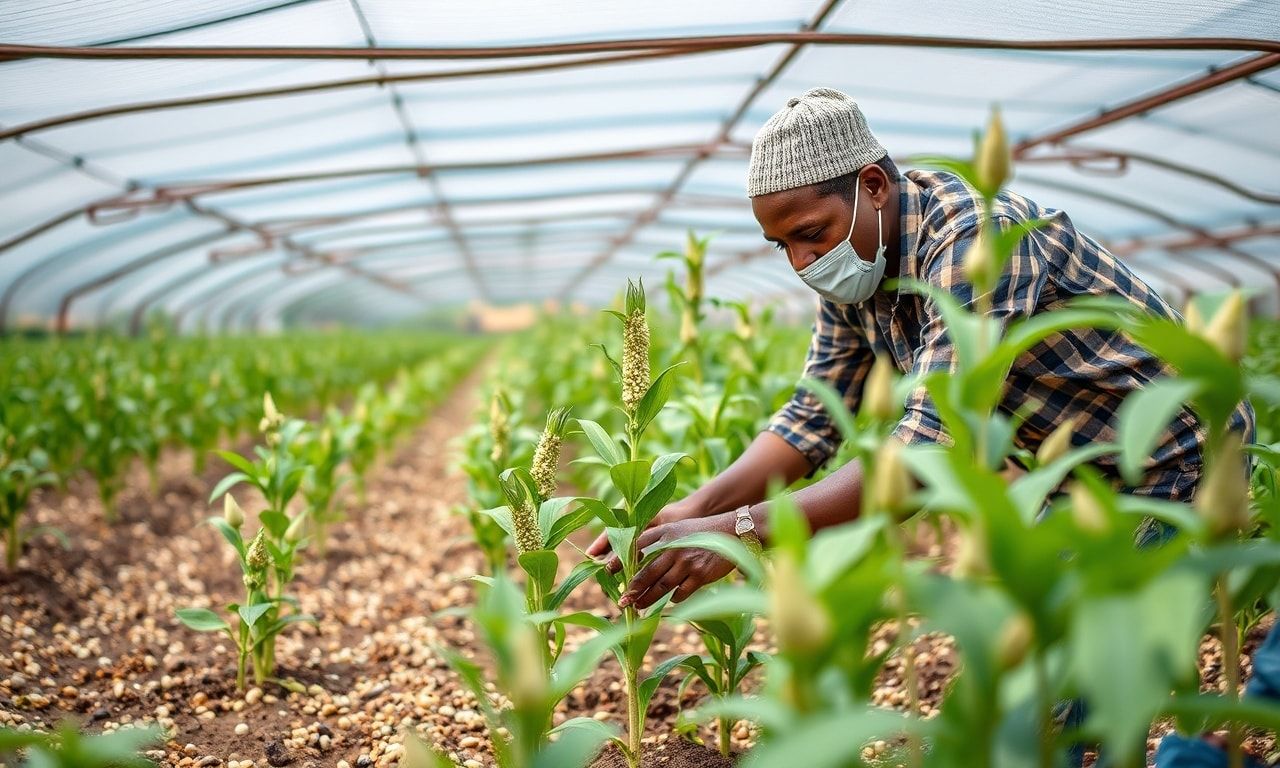
The Rise of Chia Seed Farming in Lagos
In recent years, Lagos has seen a significant shift in agricultural practices, with a growing emphasis on sustainable and innovative farming methods. Among these, chia seed farming has emerged as a notable trend, offering numerous benefits to both farmers and the environment. This article explores the rise of chia seed farming in Lagos, its impact on local agriculture, and the potential it holds for the future.
Why Chia Seed Farming?
Chia seeds, known for their high nutritional value and versatility, have gained popularity worldwide. In Lagos, farmers are increasingly turning to chia seed farming due to its numerous advantages. Chia plants are drought-resistant, making them ideal for the region’s climate. Additionally, they require minimal water compared to other crops, which is crucial in areas where water scarcity is a concern.
Moreover, chia seed farming is beneficial for soil health. The deep roots of chia plants help prevent soil erosion and improve soil structure. This makes chia farming a sustainable option for long-term agricultural productivity. Farmers in Lagos are also discovering the potential of chia seed farming for soil alkalinity management, a critical factor in maintaining soil health and crop yield.
The Economic Impact
The growing demand for chia seeds globally has created new economic opportunities for farmers in Lagos. The export market for chia seeds is thriving, providing farmers with a lucrative income source. Local markets are also seeing an increase in chia seed products, from health foods to cosmetics, further boosting the local economy.
Government initiatives and agricultural cooperatives are playing a pivotal role in supporting chia seed farming. Training programs and subsidies are being offered to encourage more farmers to adopt this practice. These efforts are not only enhancing the livelihoods of farmers but also contributing to the overall economic development of the region.
Environmental Benefits
Chia seed farming offers significant environmental benefits, making it a sustainable choice for Lagos farmers. The plants’ ability to thrive in arid conditions reduces the need for extensive irrigation, conserving water resources. Additionally, chia plants require fewer pesticides and fertilizers compared to other crops, reducing the environmental impact of farming practices.
The deep root systems of chia plants also contribute to carbon sequestration, helping to mitigate the effects of climate change. By adopting chia seed farming, Lagos farmers are not only improving their economic prospects but also playing a crucial role in environmental conservation.
Challenges and Solutions
Despite the numerous benefits, chia seed farming in Lagos faces several challenges. One of the main issues is the lack of awareness and knowledge about chia seed cultivation among farmers. To address this, educational programs and workshops are being organized to provide farmers with the necessary skills and knowledge.
Another challenge is the initial investment required for chia seed farming. The cost of seeds, equipment, and land preparation can be prohibitive for small-scale farmers. However, government subsidies and microfinance initiatives are helping to alleviate this burden, making chia seed farming more accessible to all.
The Future of Chia Seed Farming in Lagos
The future of chia seed farming in Lagos looks promising. With increasing global demand and government support, more farmers are expected to adopt this sustainable practice. The potential for chia seed farming for soil alkalinity management is also being explored, offering new avenues for research and development.
As Lagos continues to embrace innovative agricultural practices, chia seed farming is poised to play a significant role in the region’s agricultural landscape. By leveraging the benefits of chia seed farming, Lagos can achieve sustainable agricultural growth, improve economic prospects, and contribute to environmental conservation.
If you enjoyed this article, we recommend checking out Türkiye'de Yemek Güvenliği İçin Chia Tohumu for further reading.